Pavegen Solar+ Energy Floors
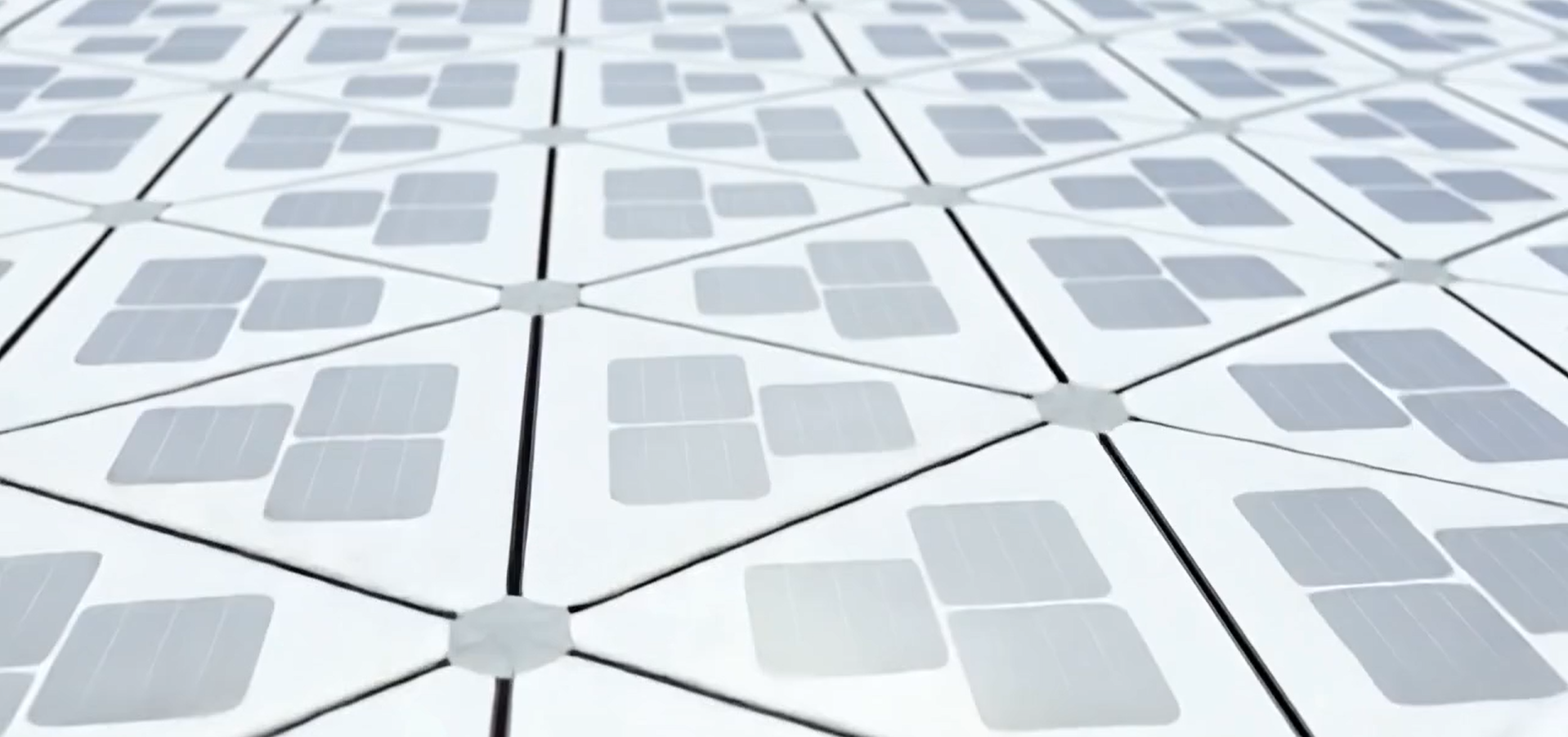
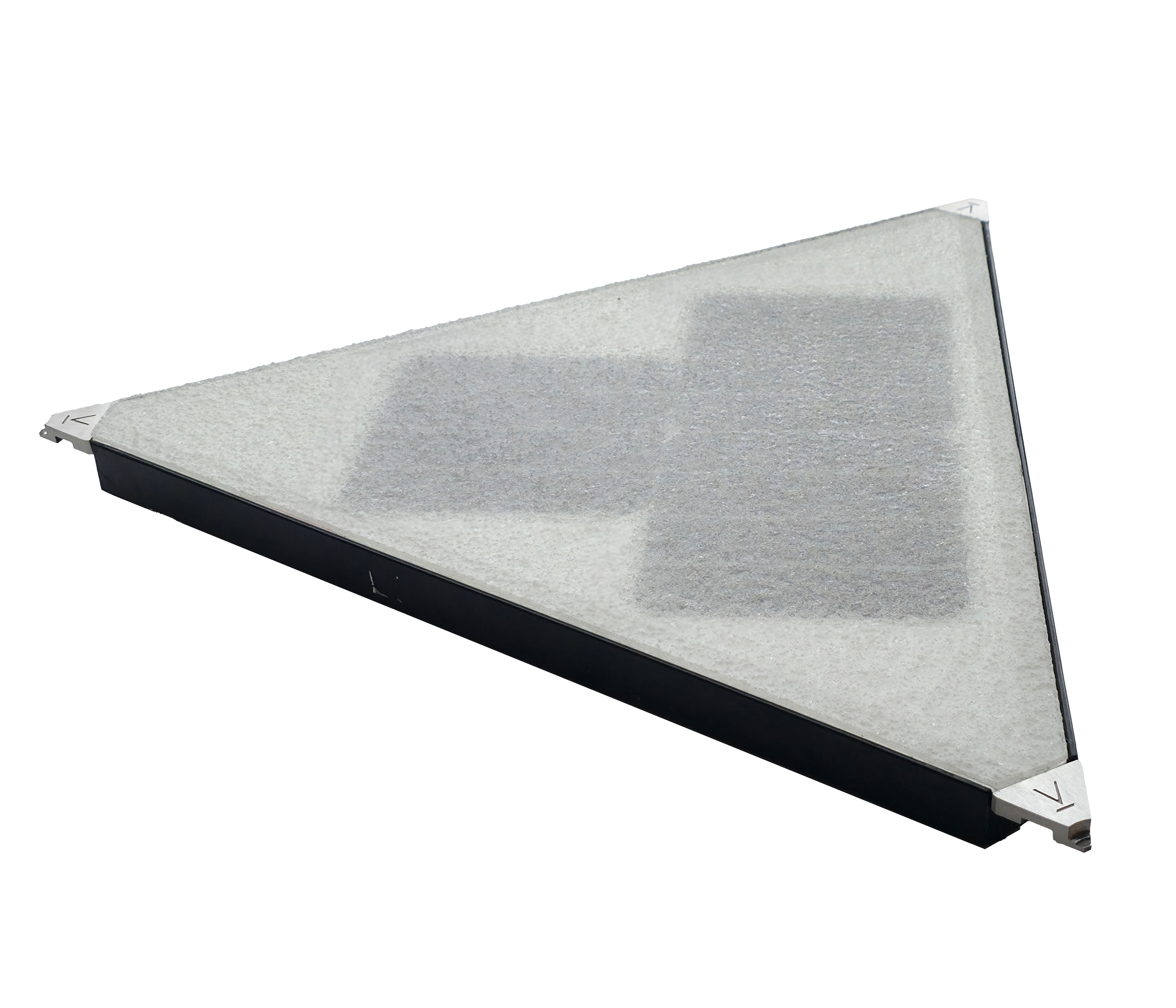
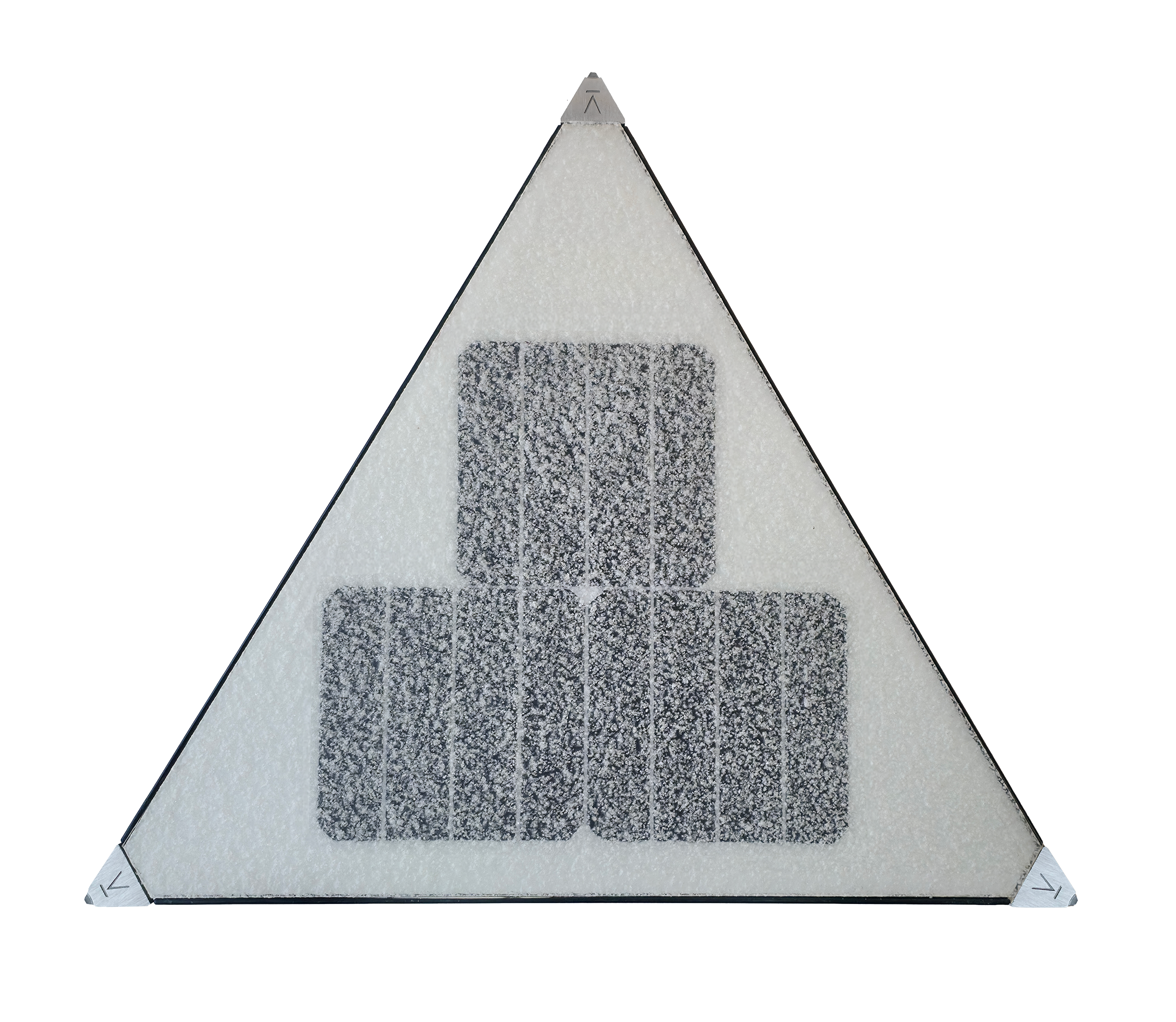
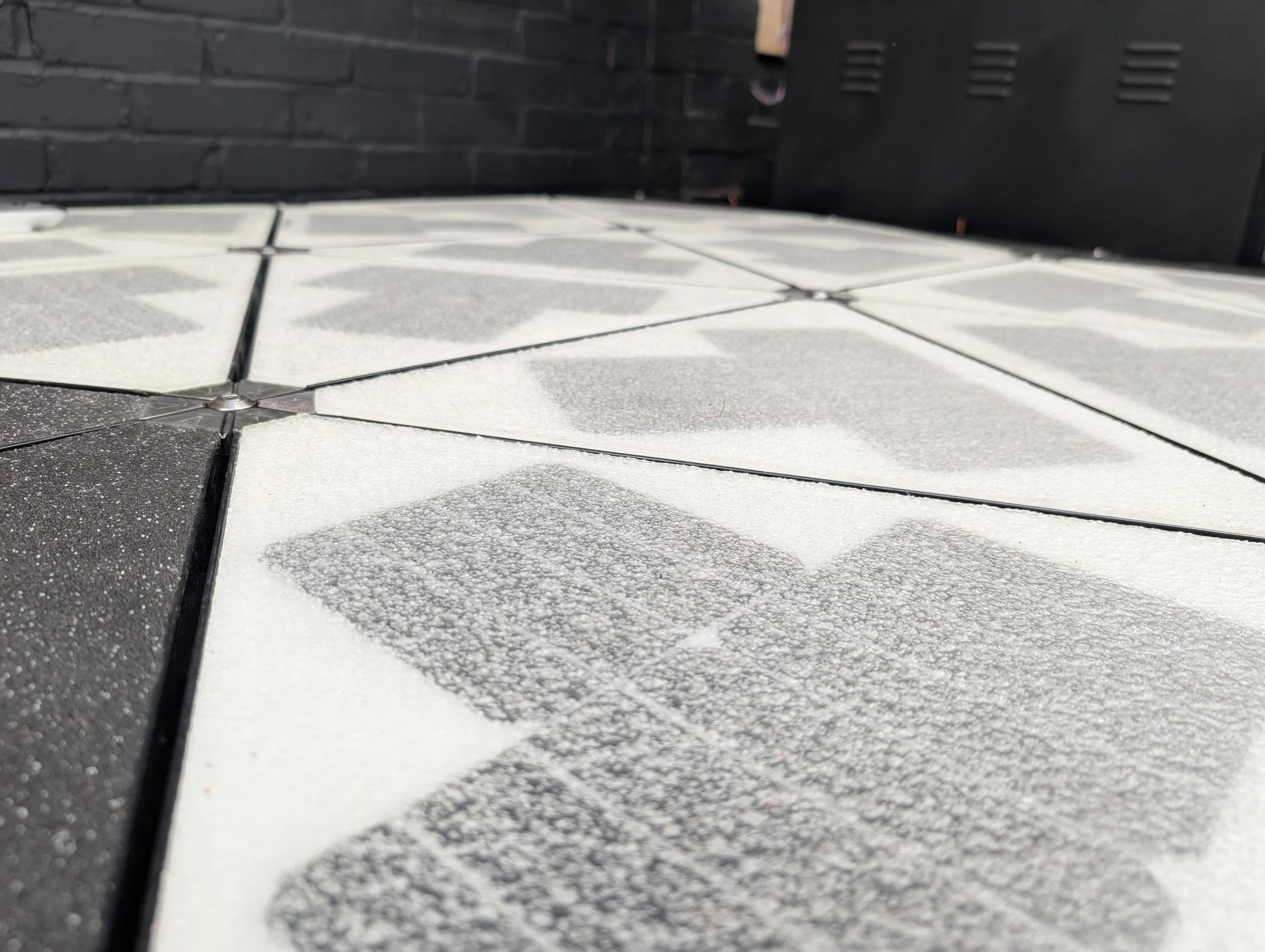
The solar panel tiles I developed for Pavegen were officially launched in January 2025, after 18 months of continuous development. The solar panels seamlessly integrated into the existing tiles, enabling backwards compatibility with the existing Pavegen installation system and increasing energy output by up to 30x in the right conditions.
Modelling
Solid modelling (SolidWorks)
BOM calculations (Excel)
Manufacture
Compression moulding
Assembly methods
Tolerance stacks
Research
Market research
Technology research
Design
Design for Manufacture and Assembly
Scalable design
IP-ratings
Integration with electrical components
The Brief
“Extend Pavegen’s product offering to include solar panels, allowing for energy generation even when no one is walking”
the project
Pavegen’s existing flooring makes use of the kinetic energy from users walking over it or jumping on top of it to generate electricity. Whilst it creates an engaging platform for energy generation, the energy generated is necessarily limited as there is limited energy to be gained from a person’s movement.
By integrated solar panels into the Pavegen system, creating a so-called hybrid system, energy could be generated both kinetically and with solar energy from the sun. By integrating solar panels into Pavegen’s existing tiles, not only were manufacturing costs kept to a minimum but it also enabled the tiles to be completely backwards compatible with the existing Pavegen installation system. The solar panels ultimately proved to be so efficient, in the right conditions they would increase energy output by as much as 30x.
Prototyping
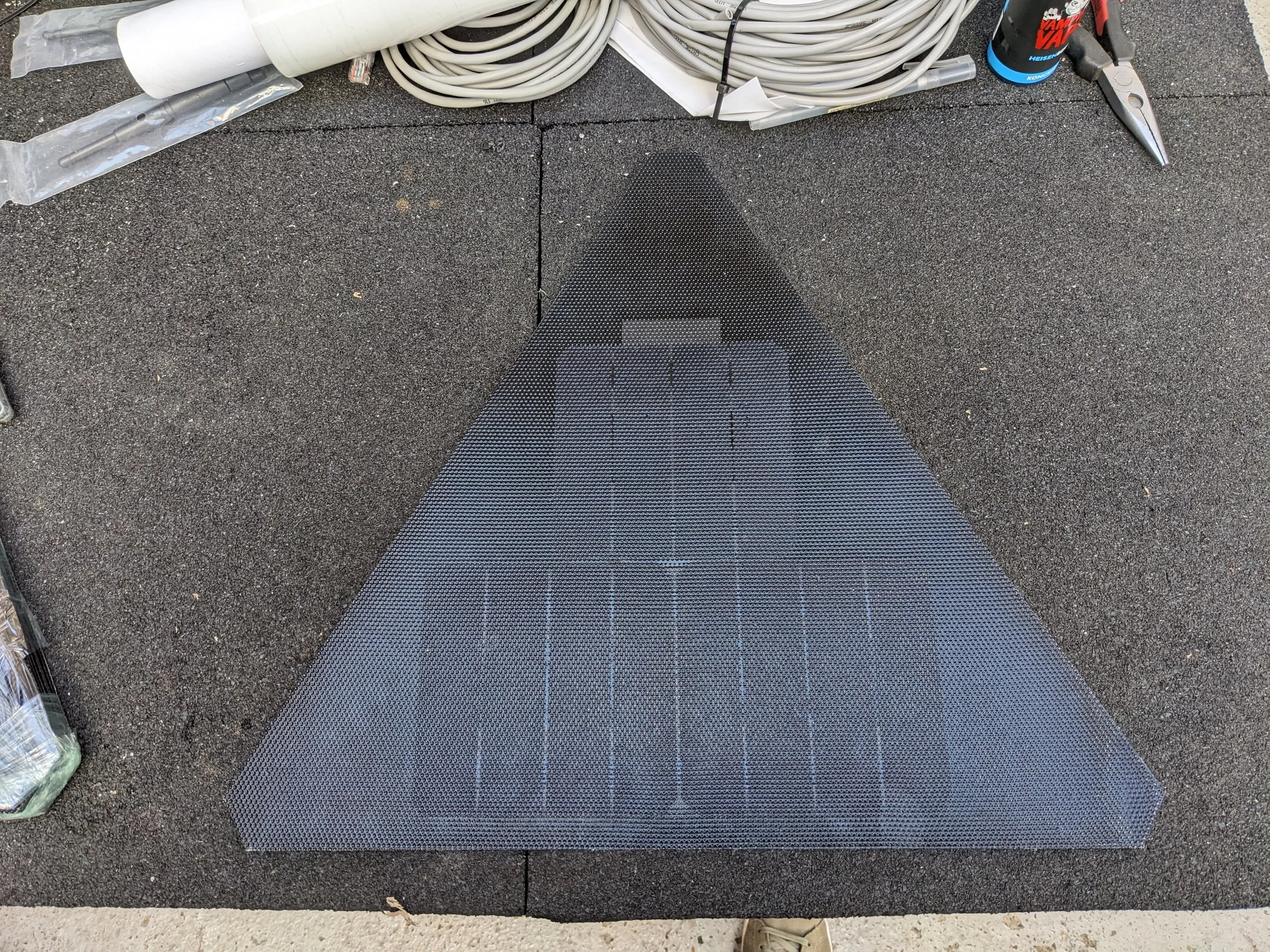
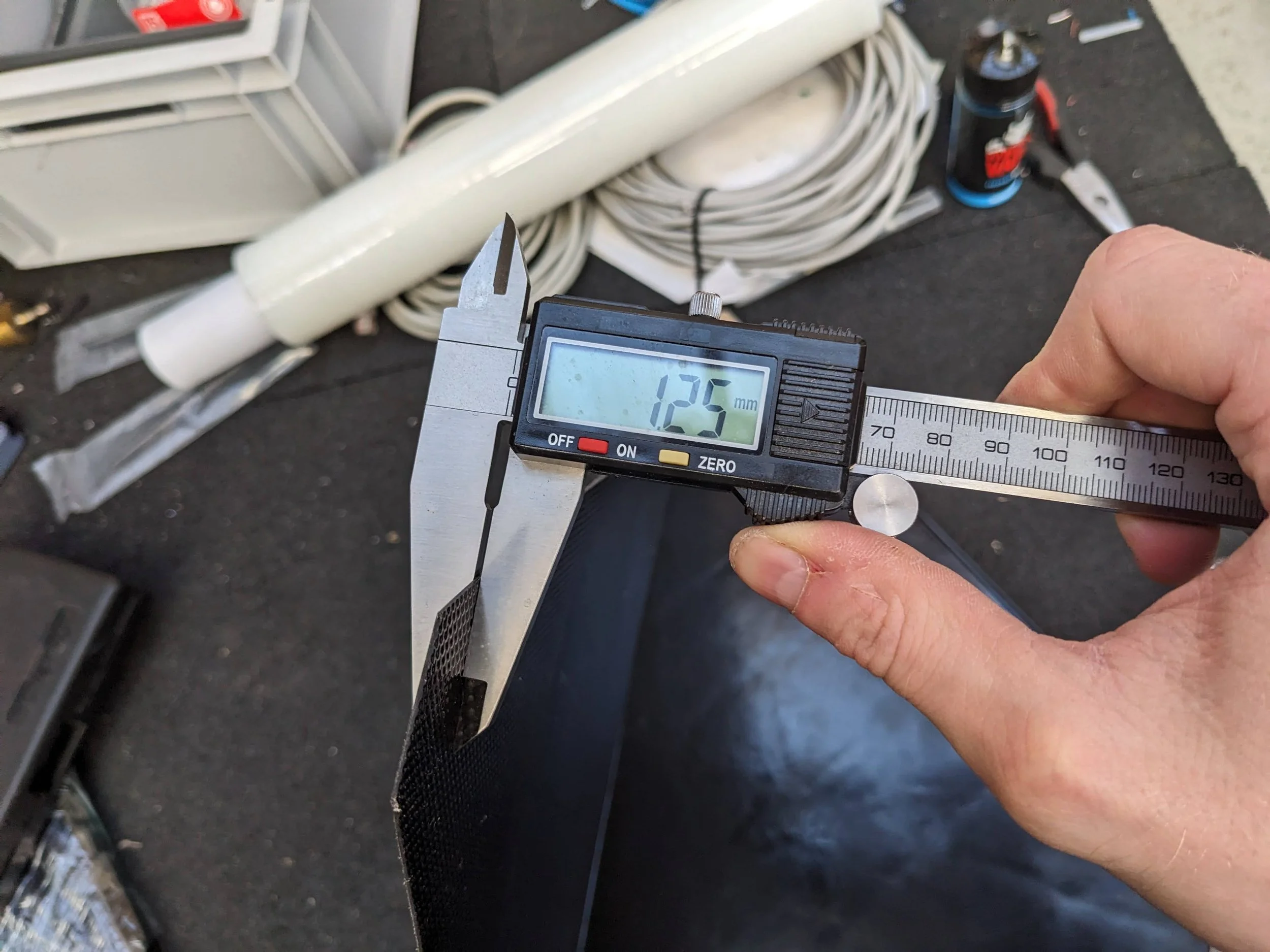
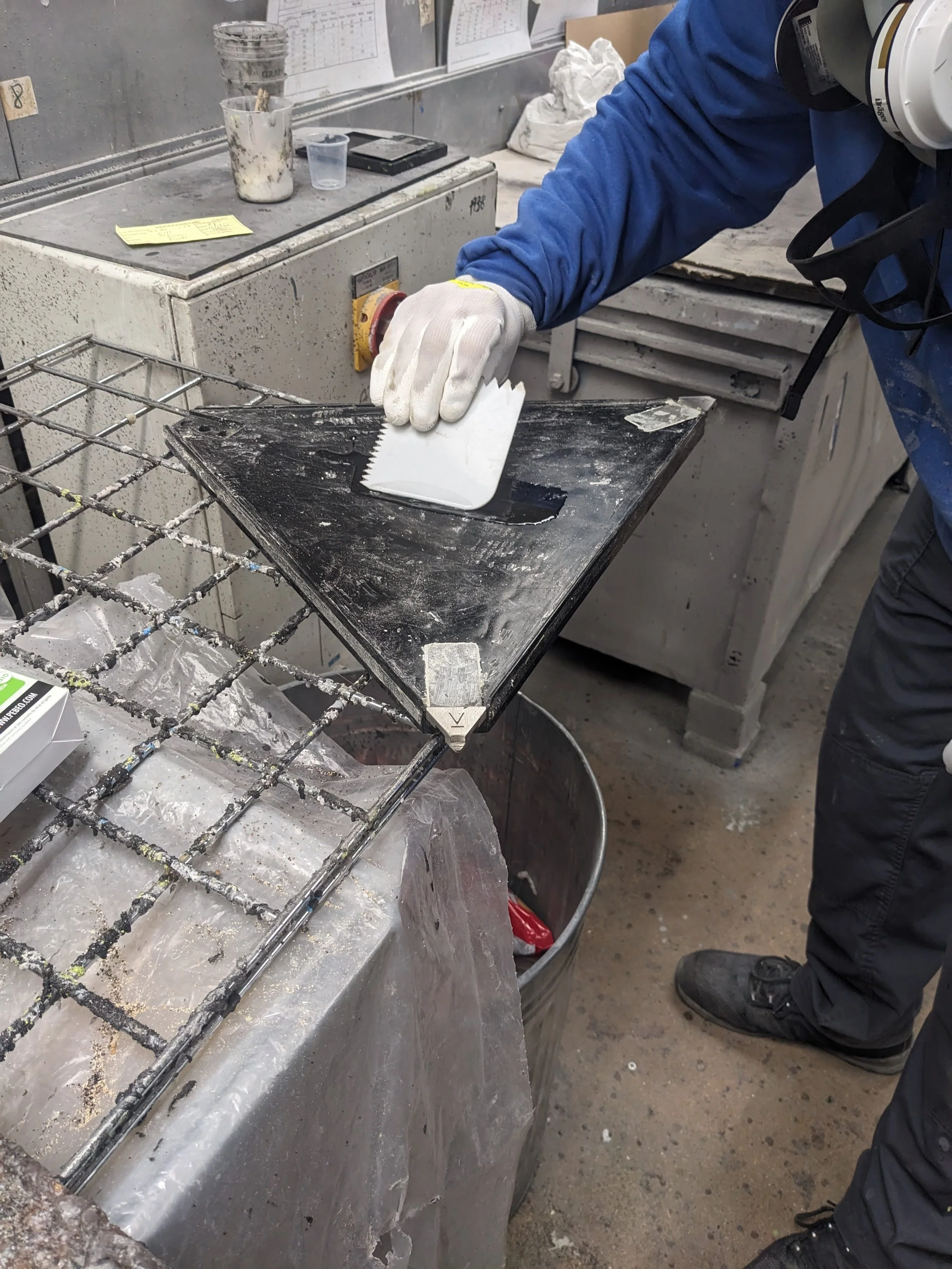
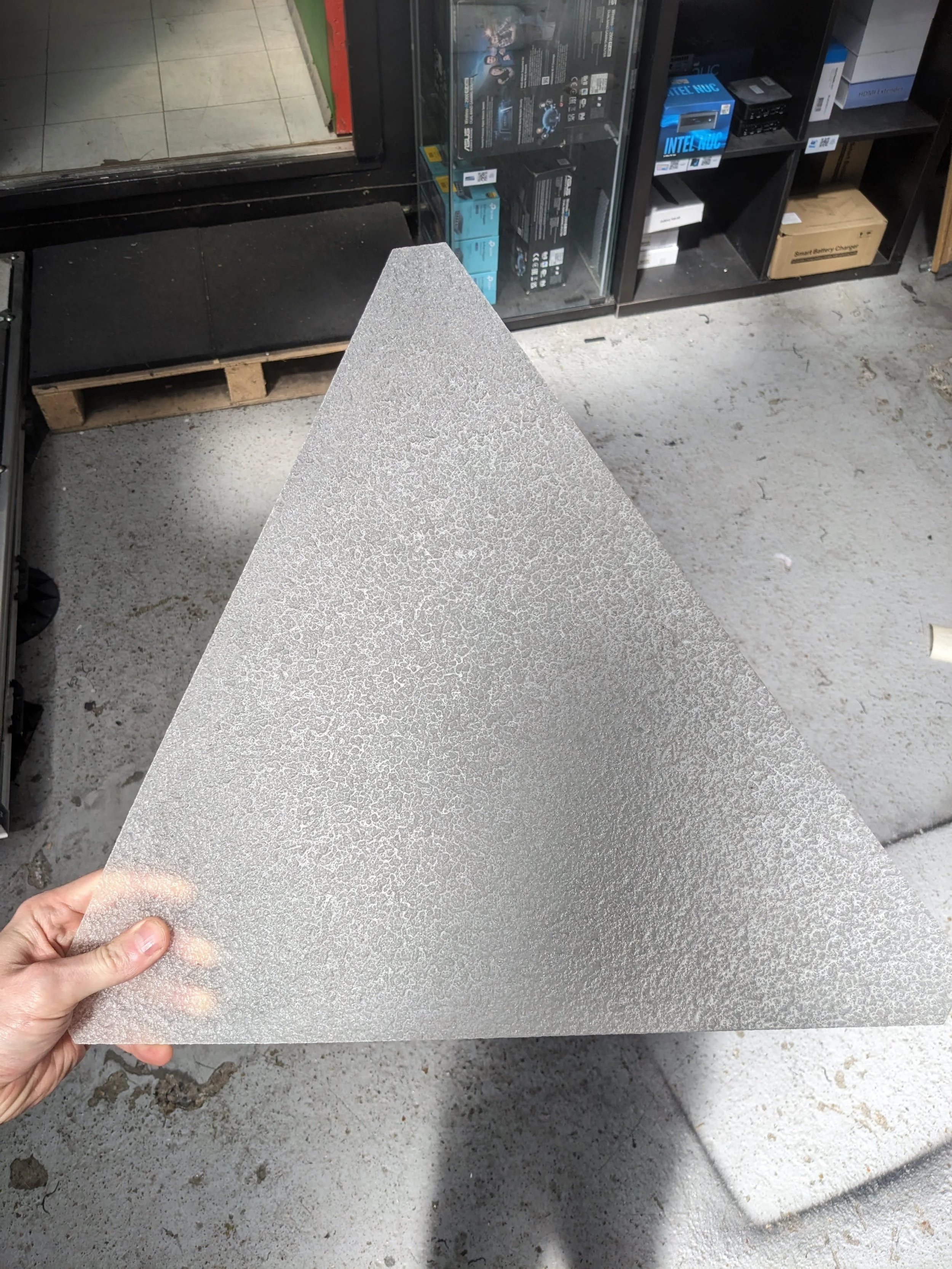

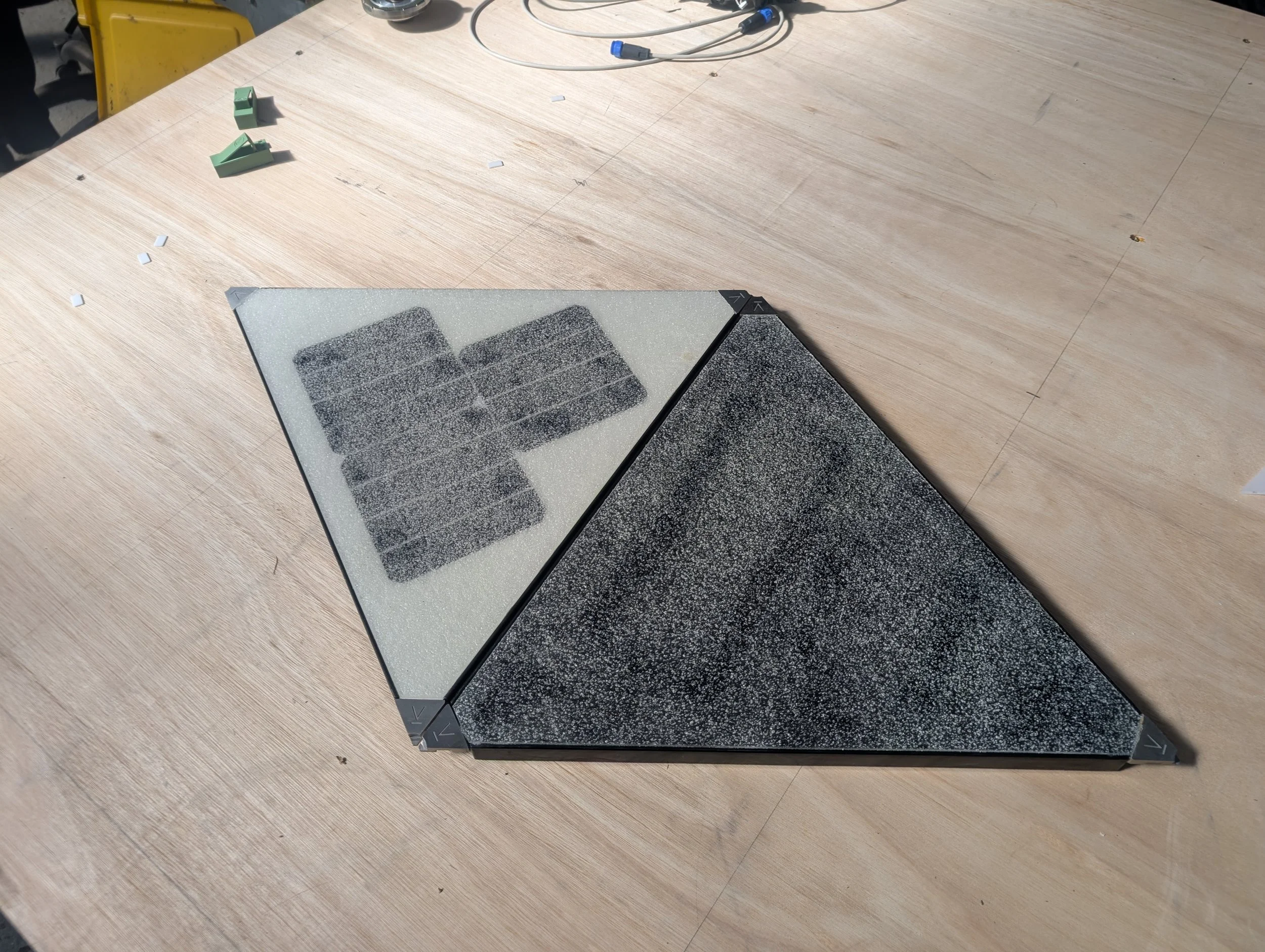
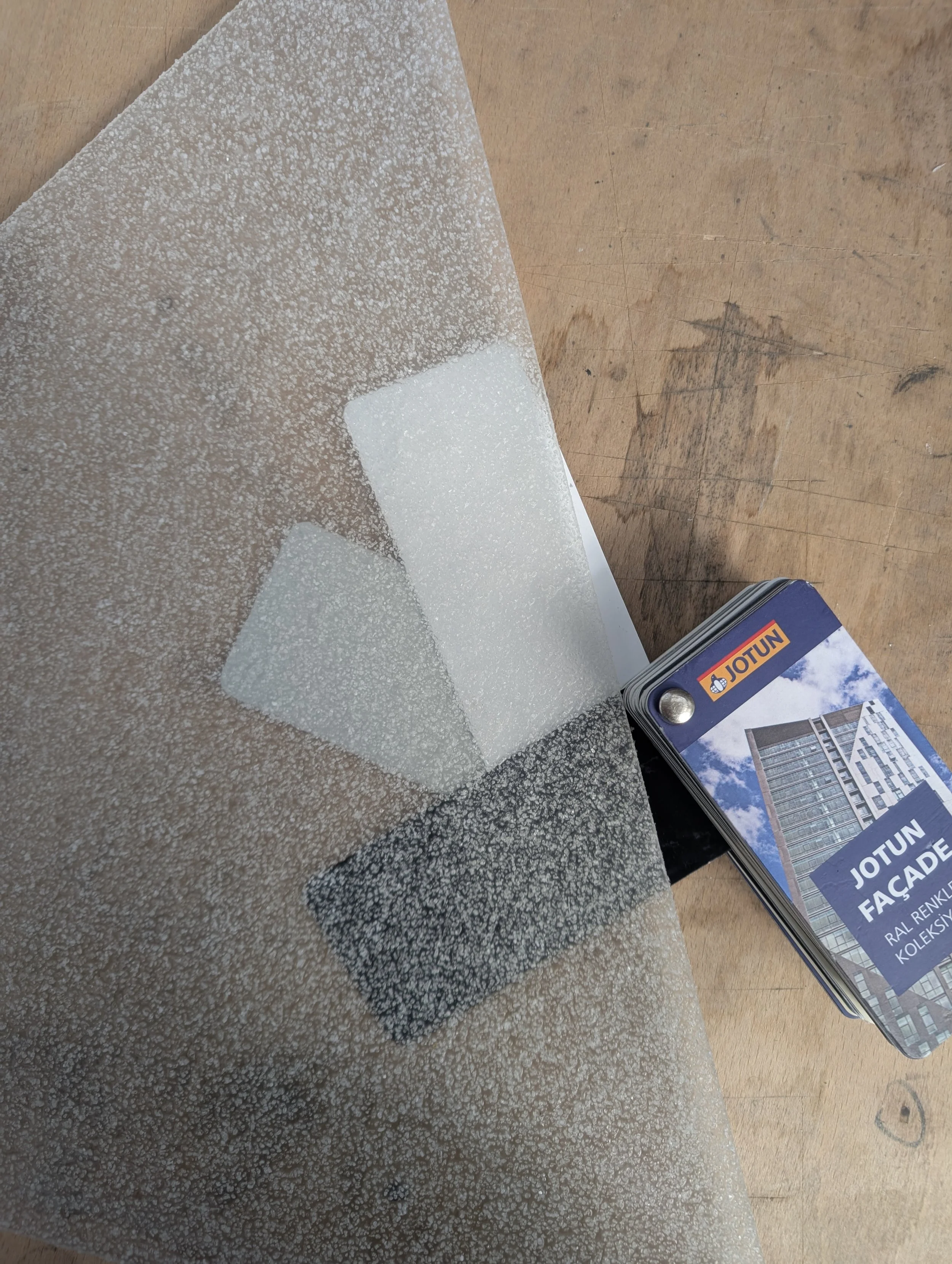
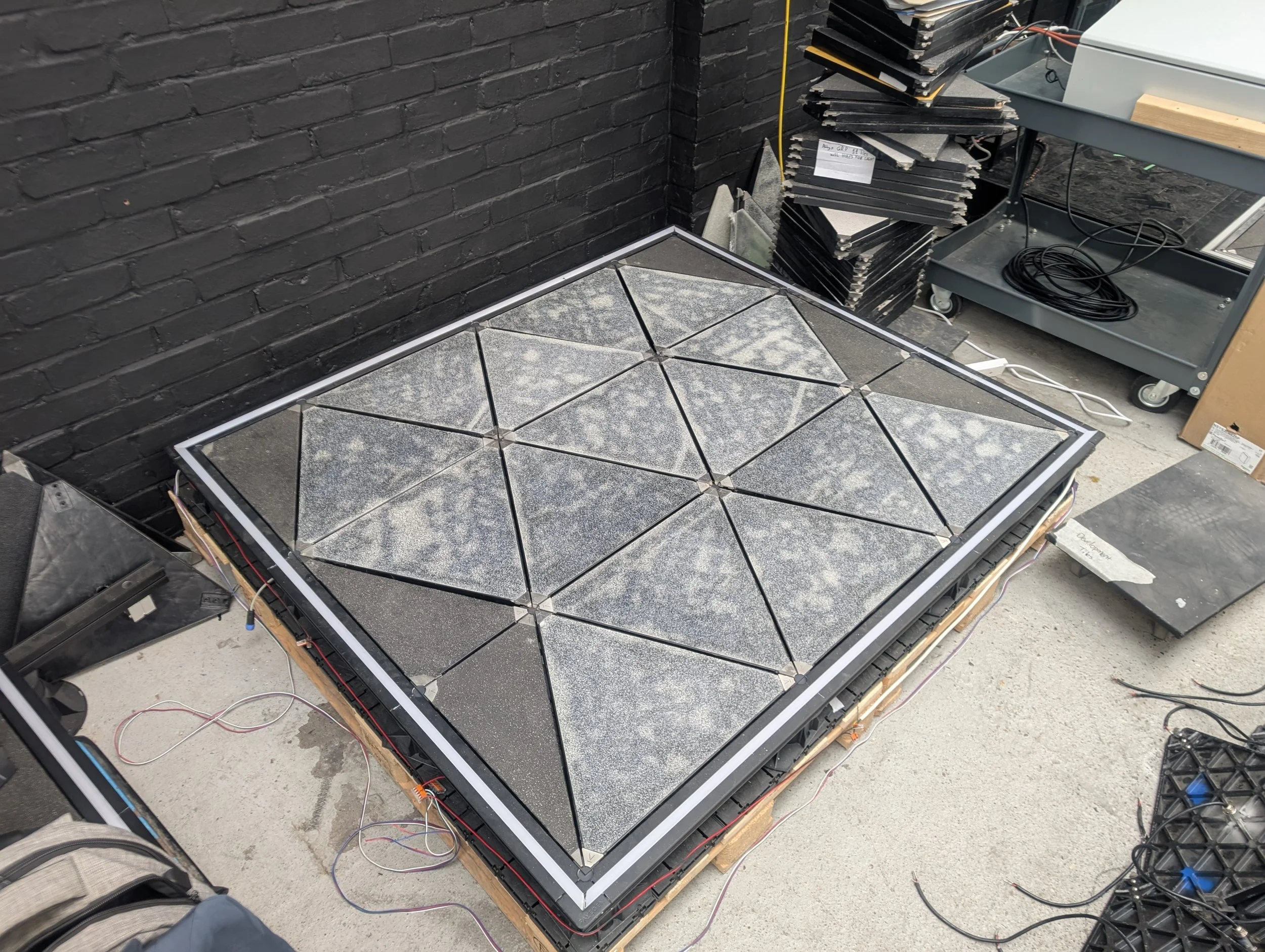
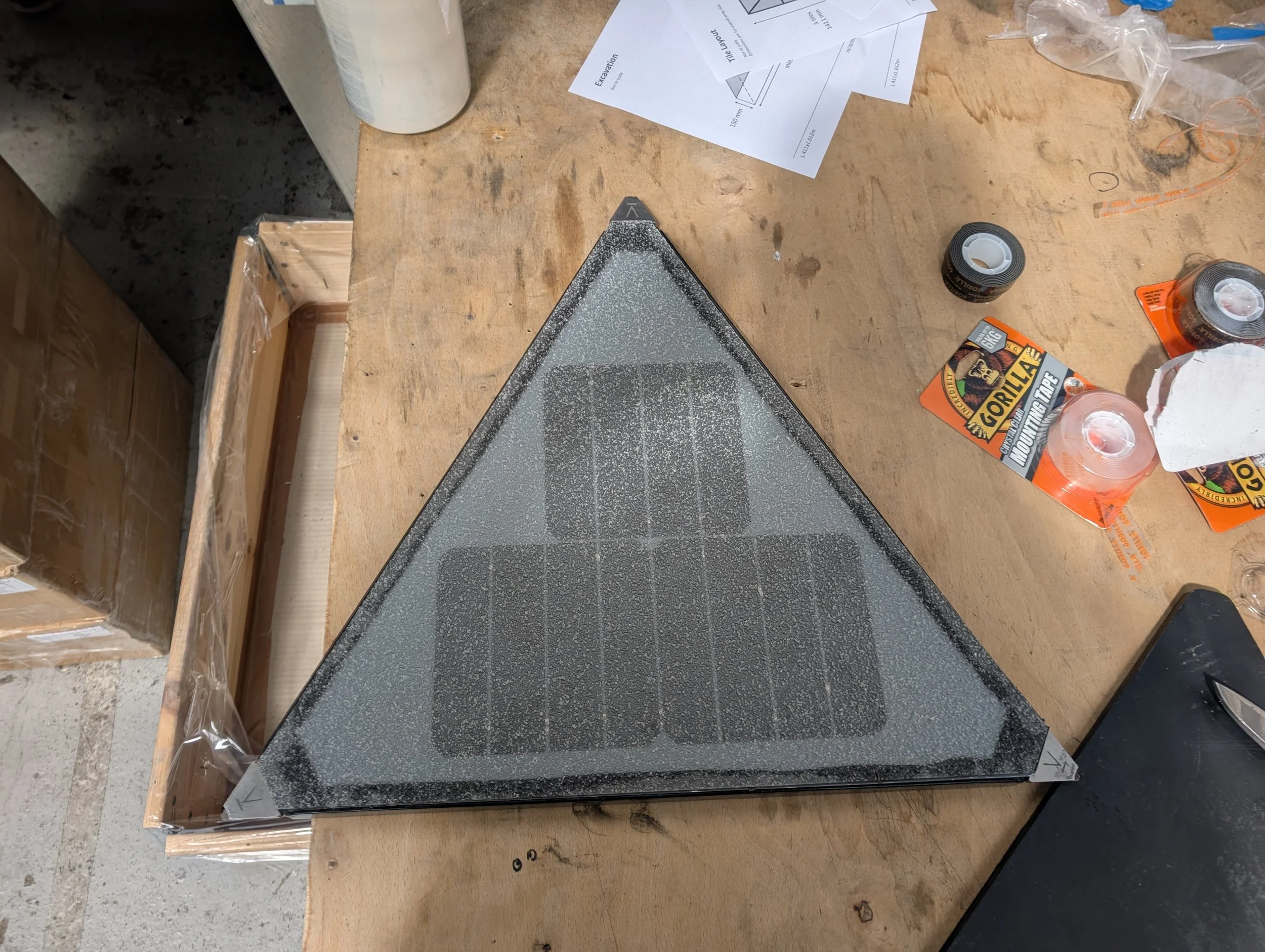
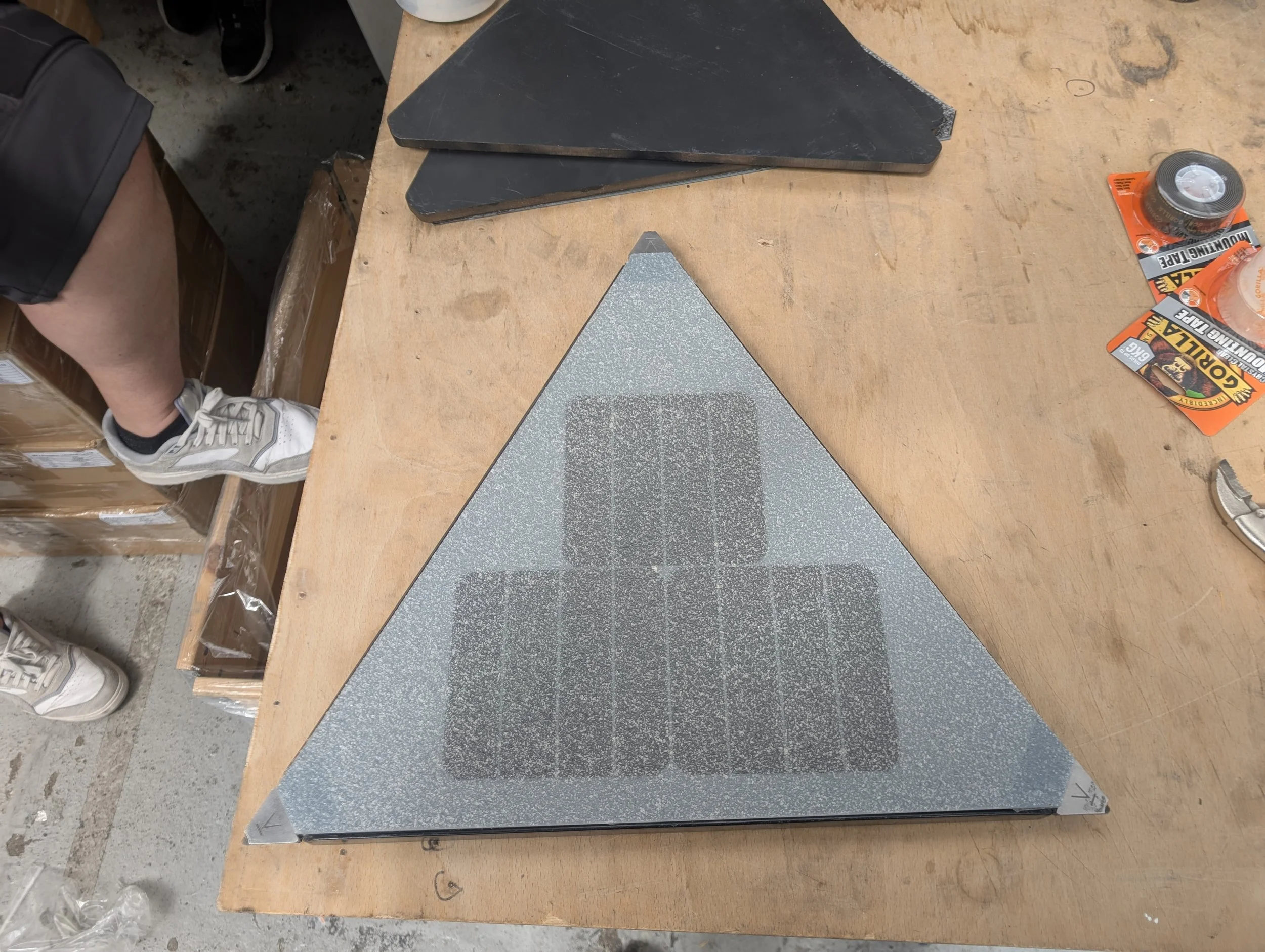
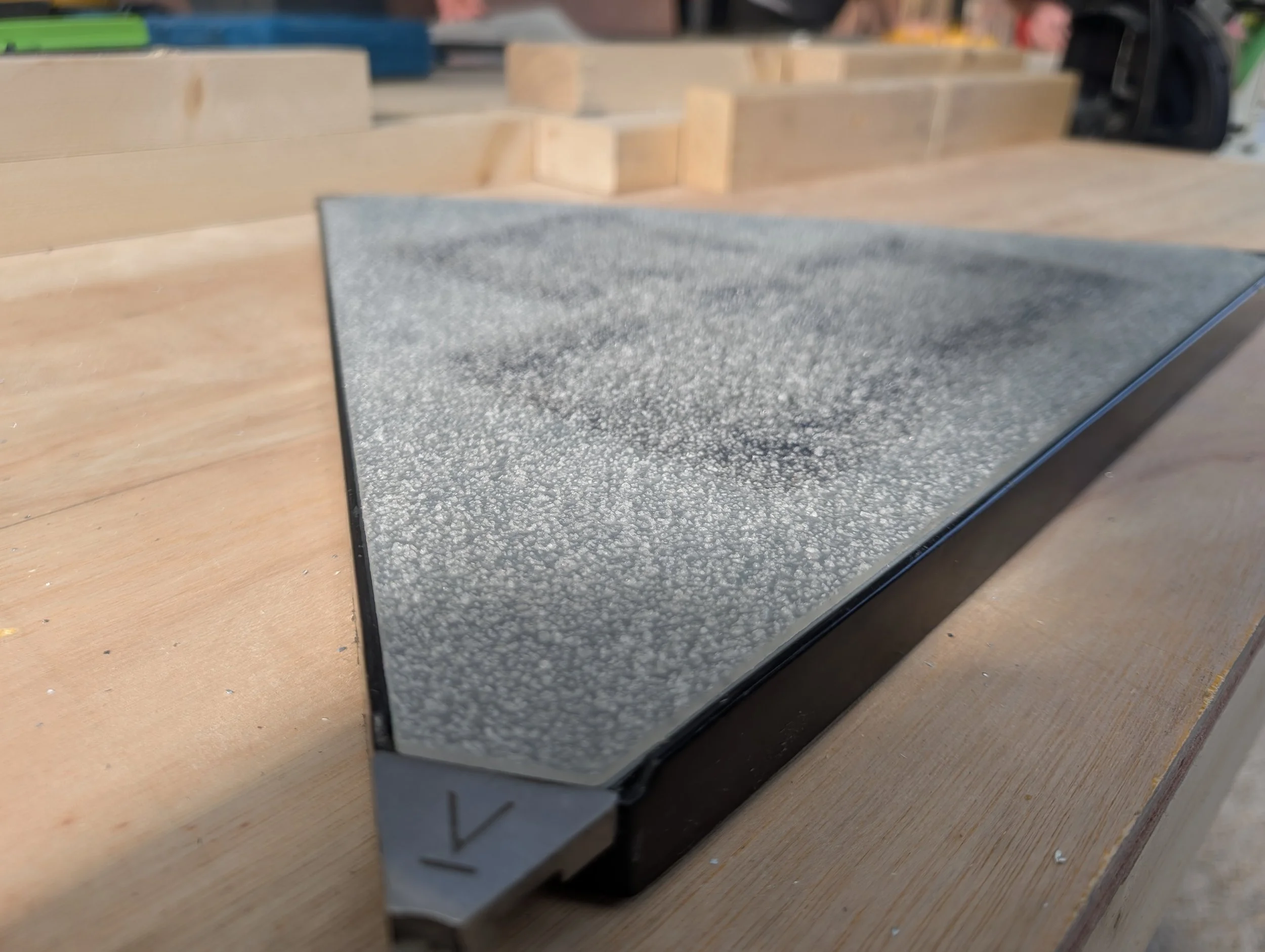
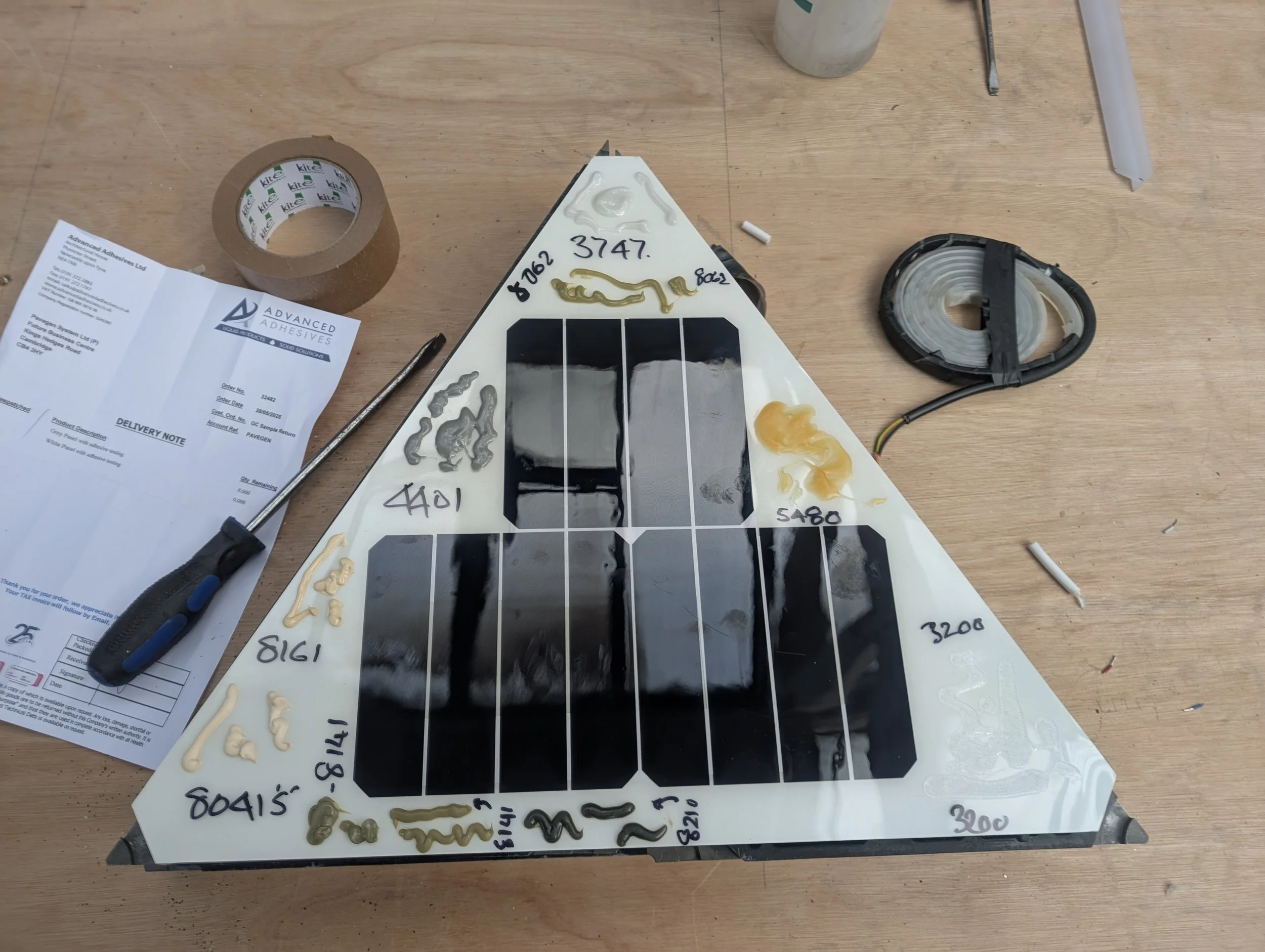
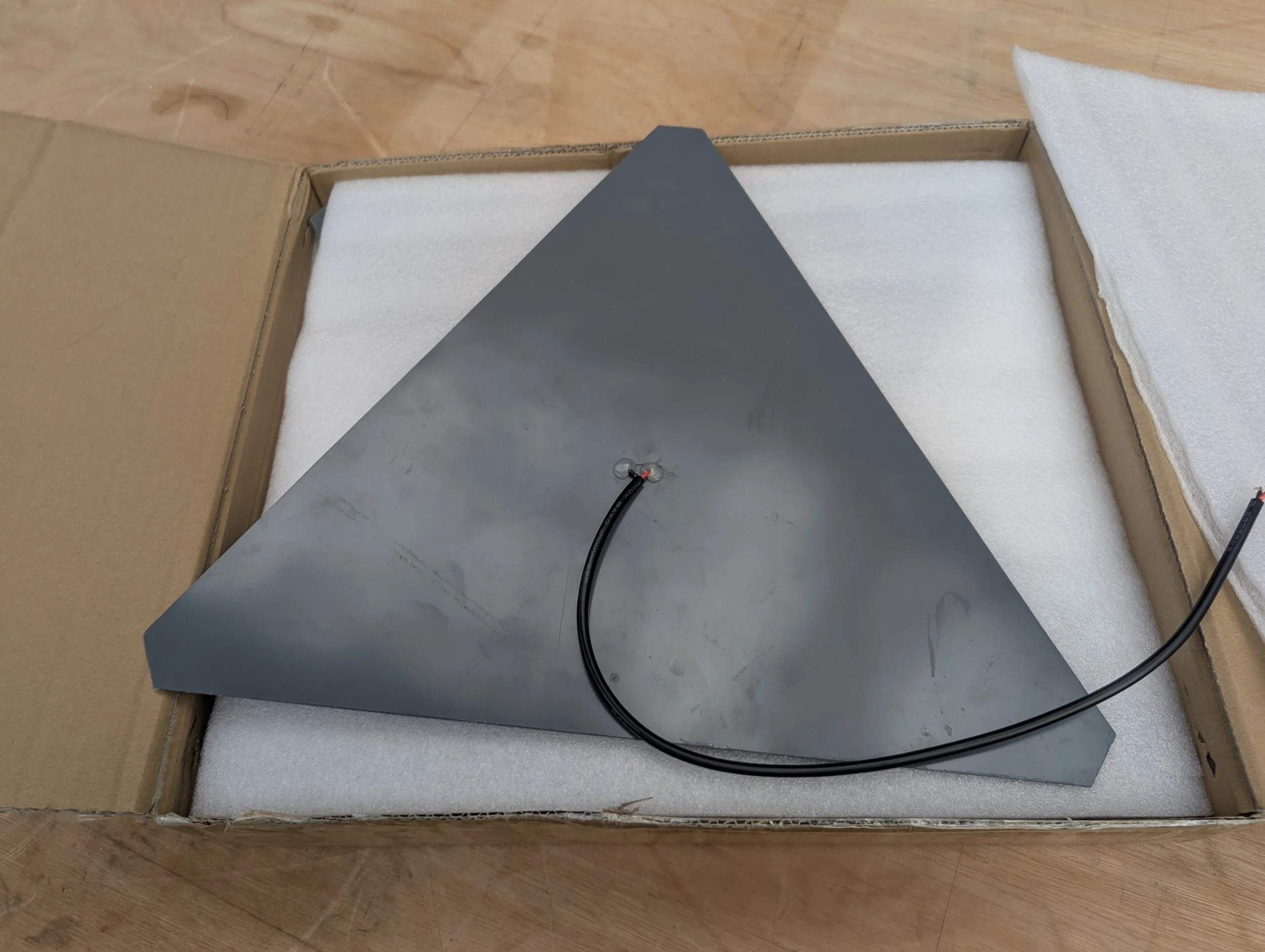
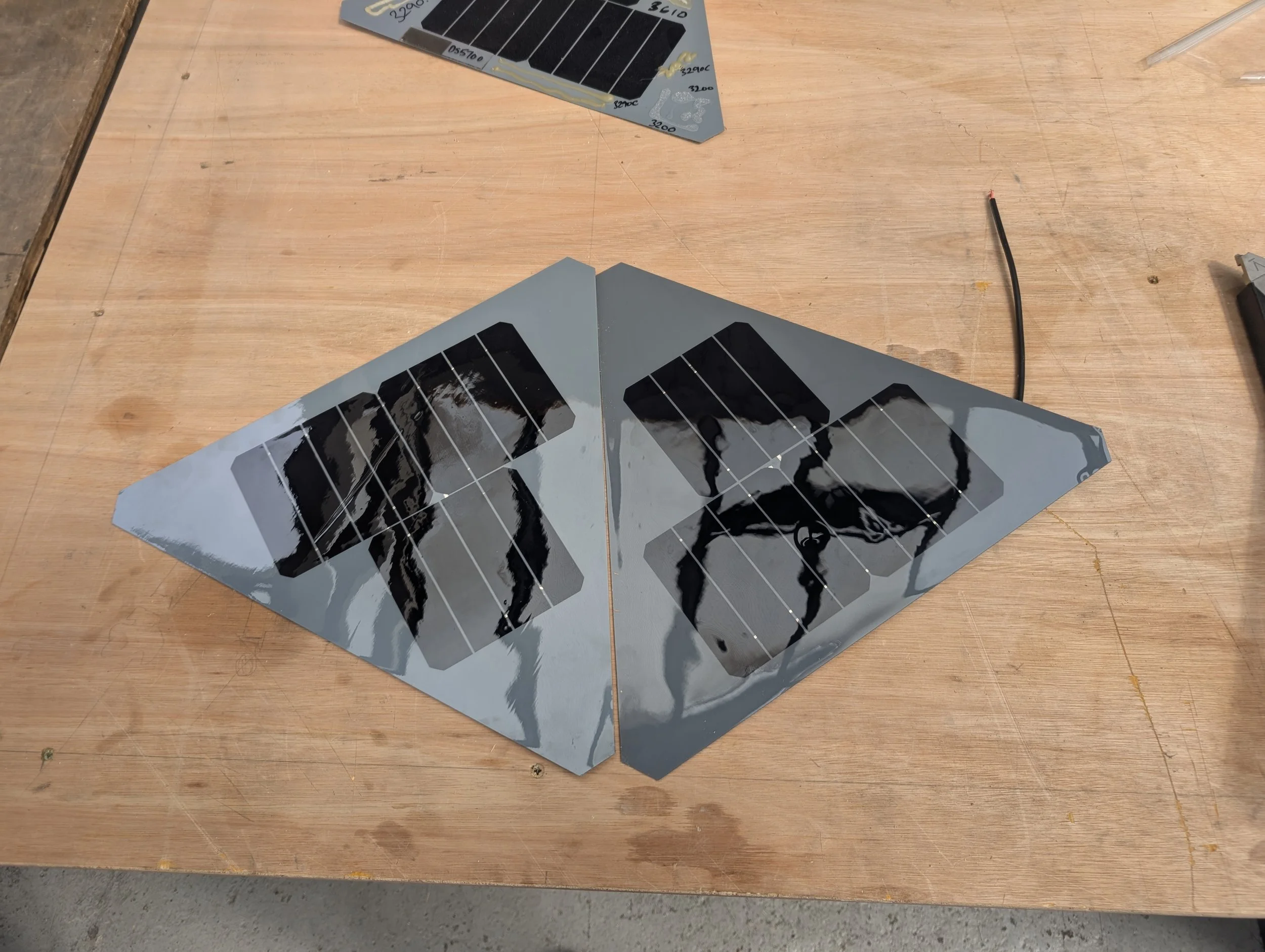
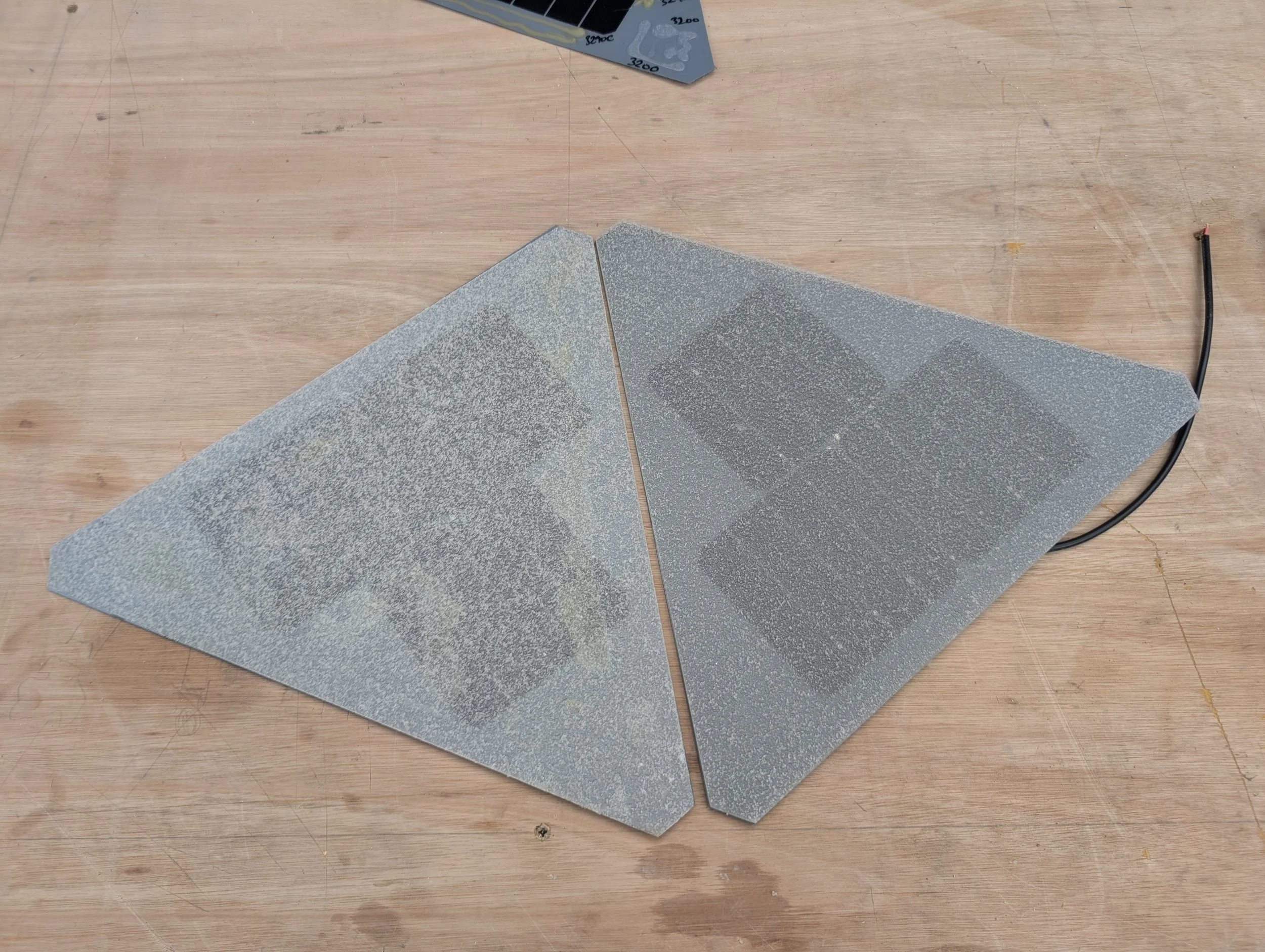
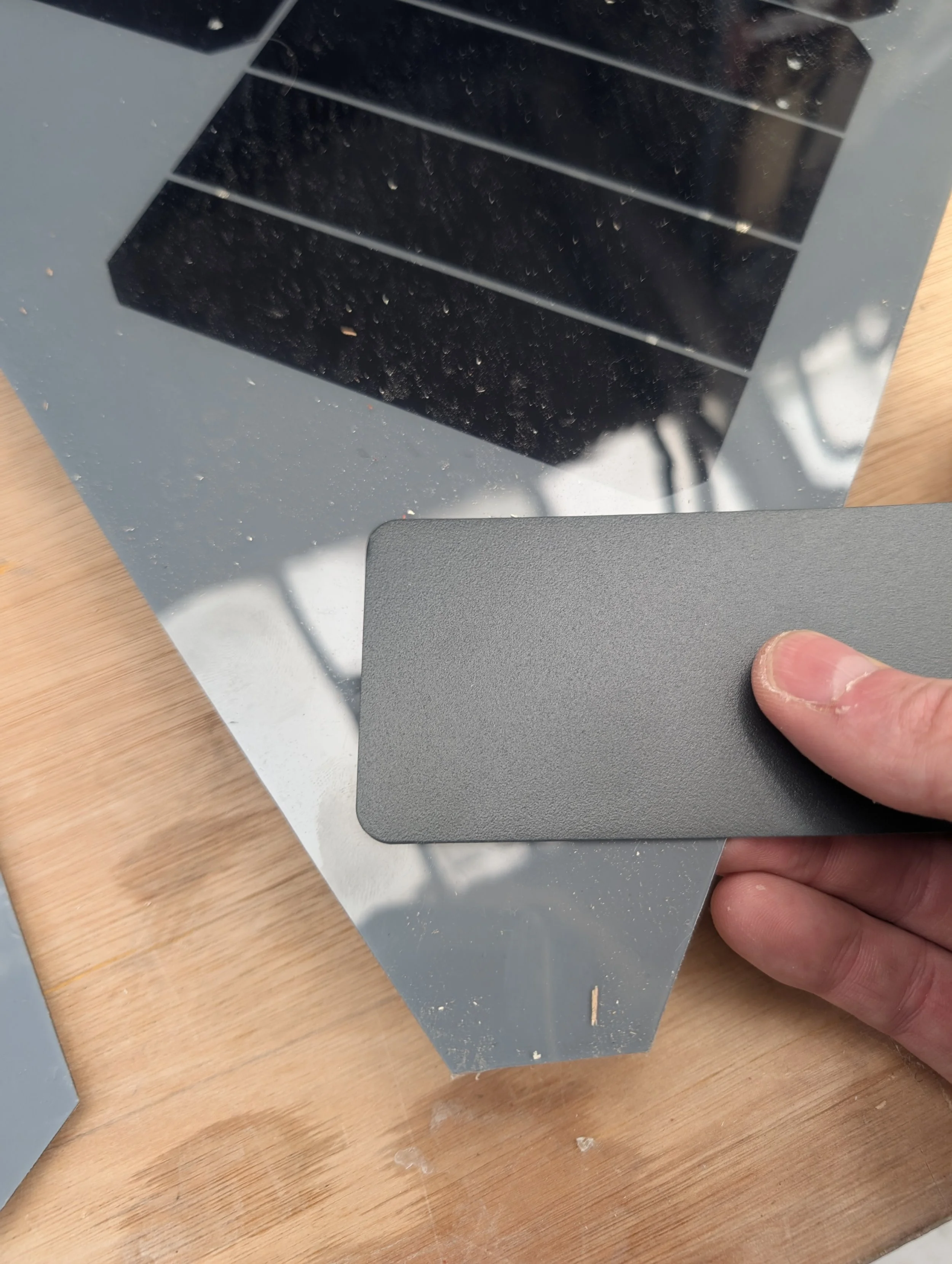
This project consisted of working with suppliers to find an ultra-thin solar panel that would fit into the existing tile (1.5 mm) and then to find an appropriate surface to protect it from people’s footsteps that was also ultra thin. Various options were tested, including resins and glasses, ultimately settling on a transparent GRP with an ultra durable adhesive.
Extensive testing was performed to ensure the adhesive and the surface layer were durable enough in all weather conditions.