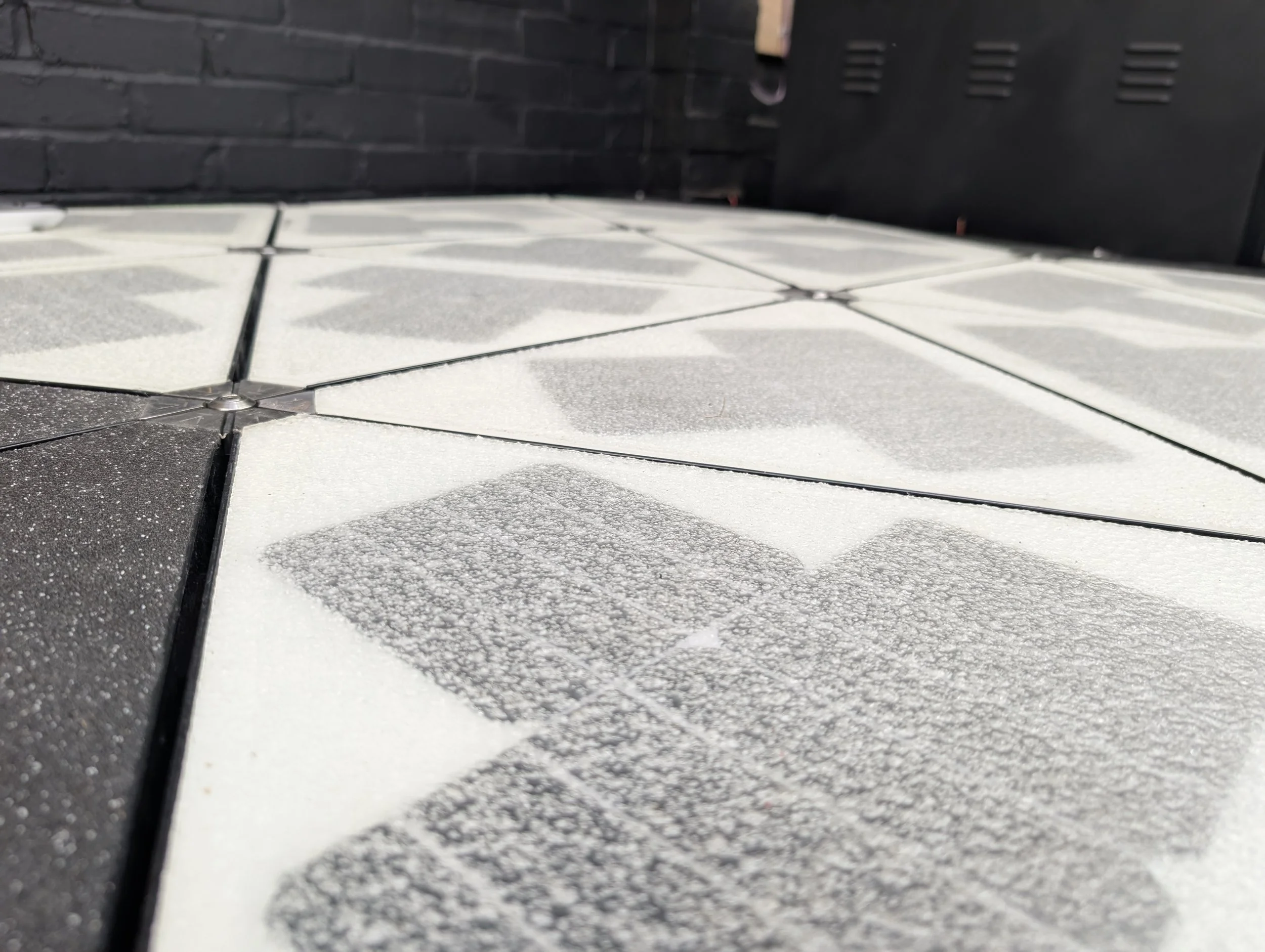
Solar Tiles
Project Status
Development fully complete, and the product released for sale through Pavegen, waiting on the first purchase or installation as of September 2026.
Skills
-
Market research
Technology research
-
Design for Manufacture and Assembly
Scalable design
IP-ratings
Integration with electrical components
-
Solid modelling (SolidWorks)
BOM Calculations (Excel)
-
Compression moulding
Assembly methods
Tolerance stacks
Environmental and tensile testing
Impact
6-30x energy output increase
Backwards compatibility with existing Pavegen installation
Modest ~30% increase in cost per tile, or ~18% cost for the whole system
Zero new tooling required, only minor updates to existing tooling
Adhesive
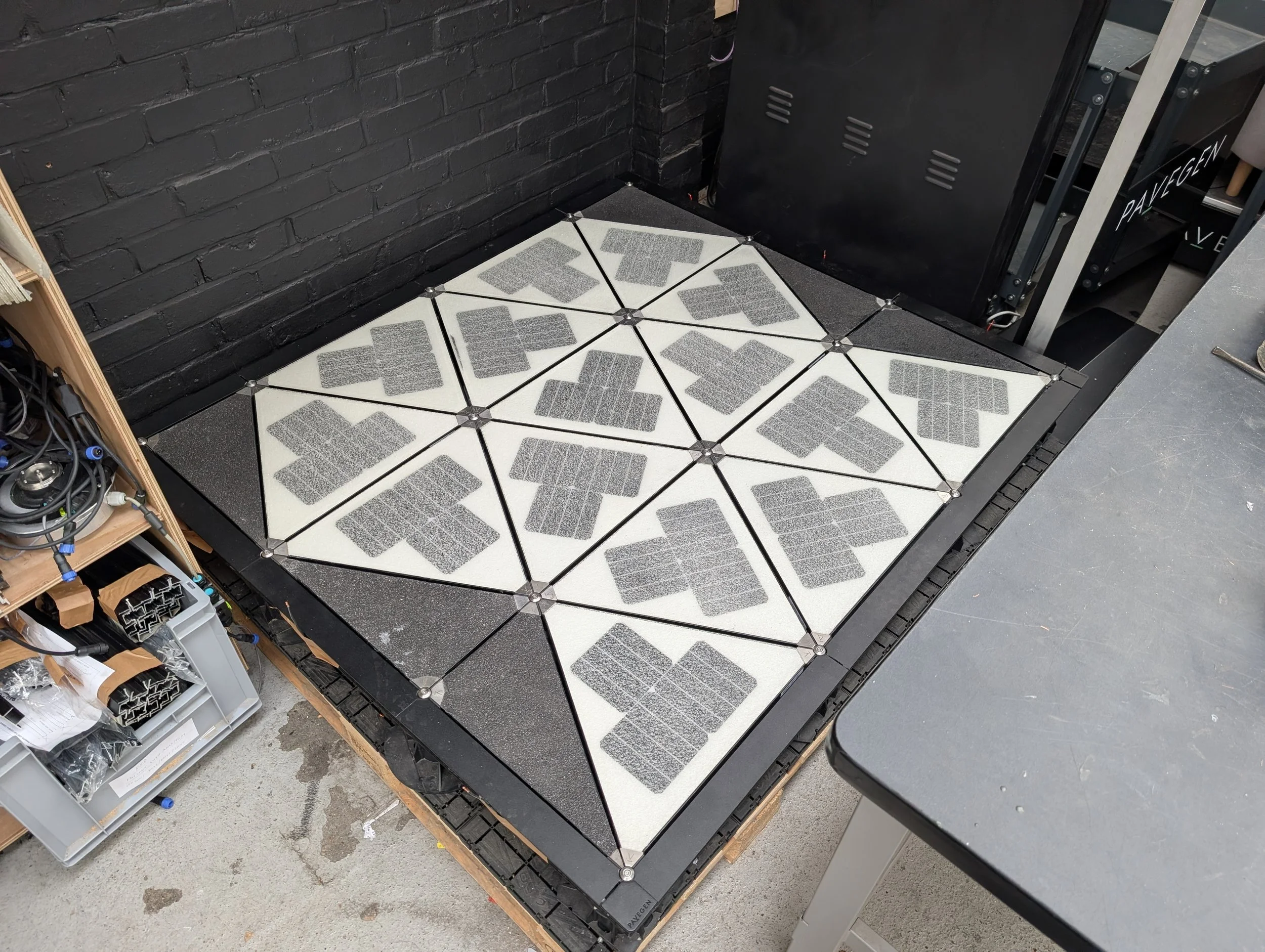
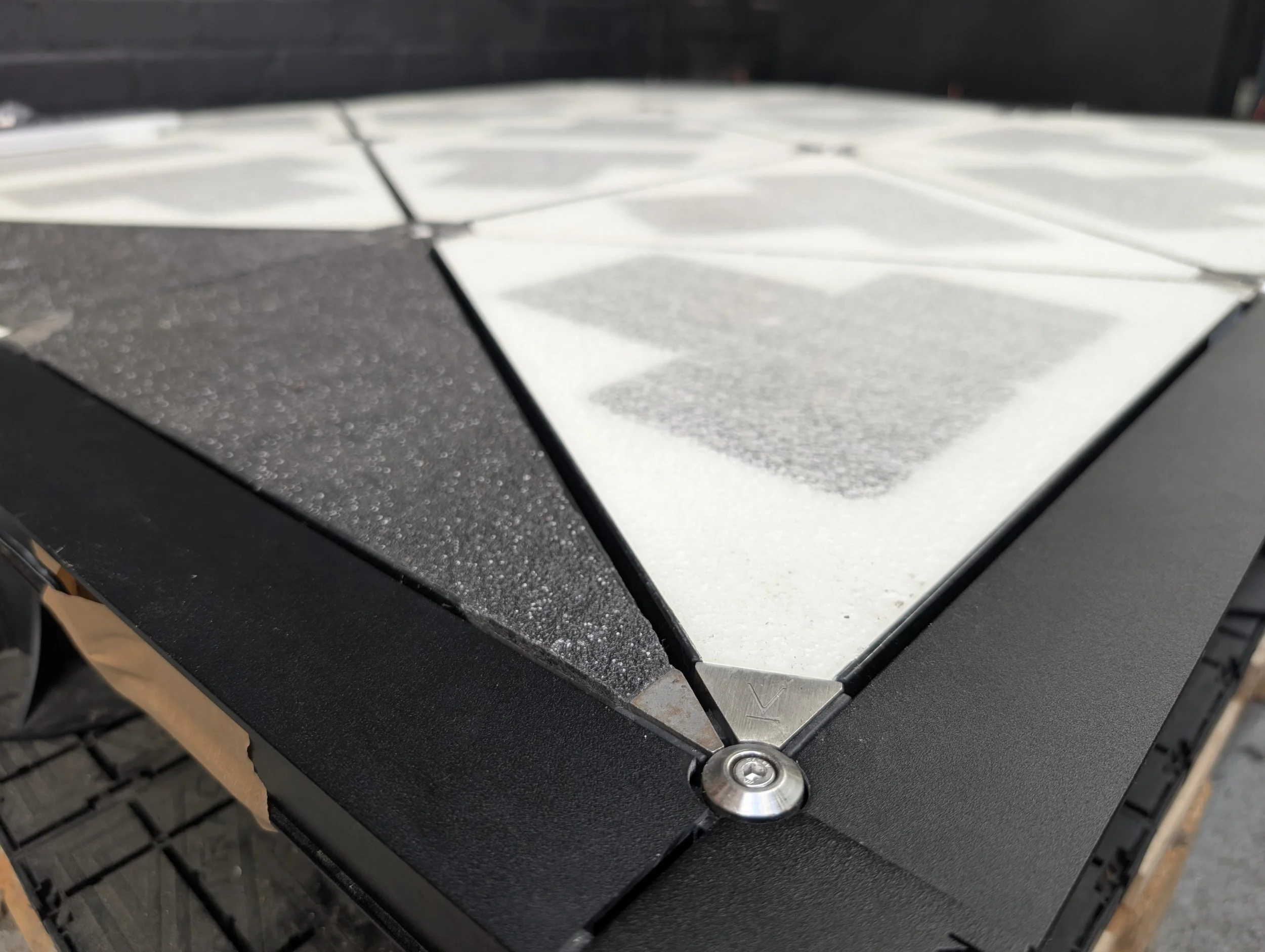
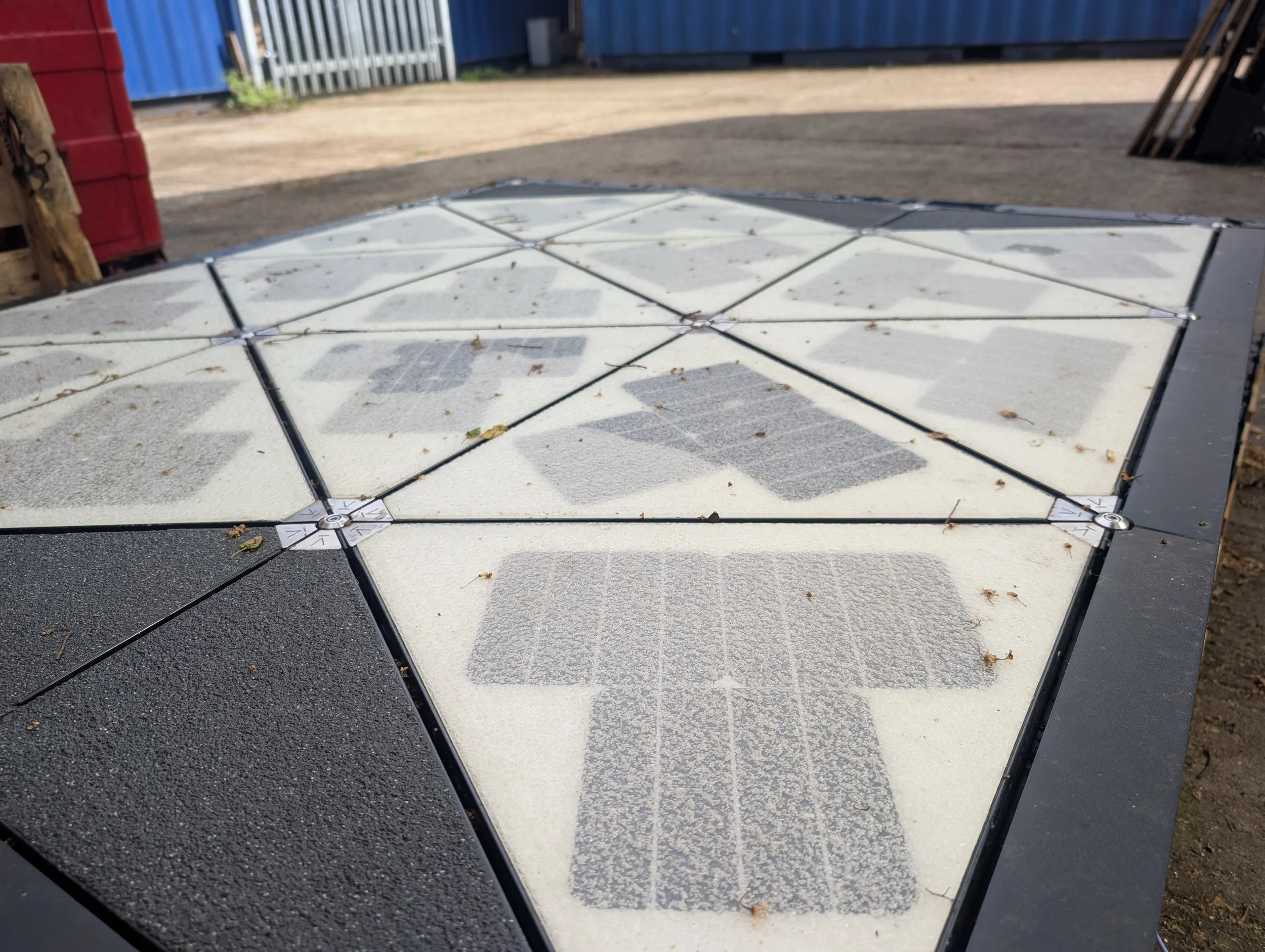
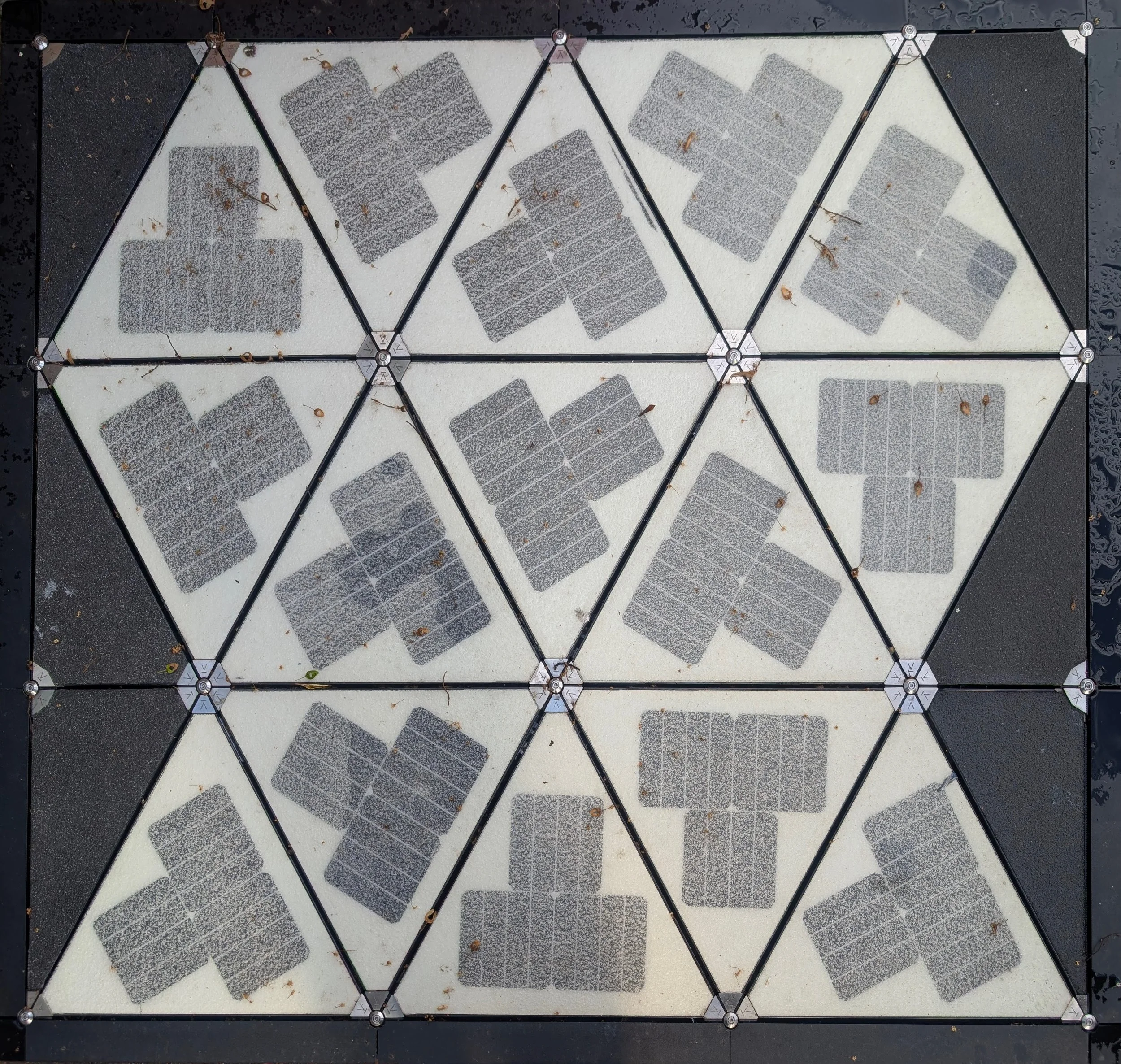
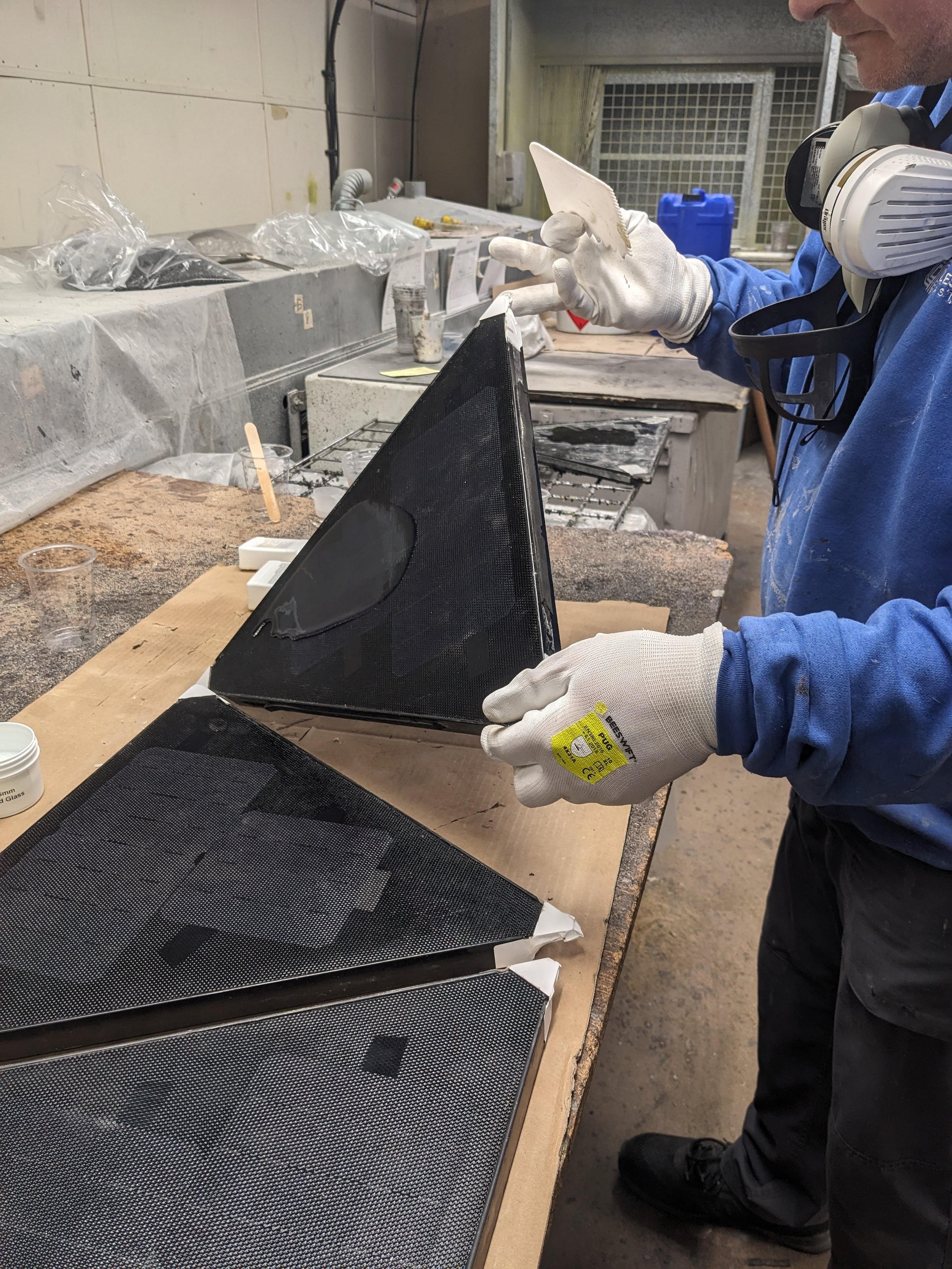
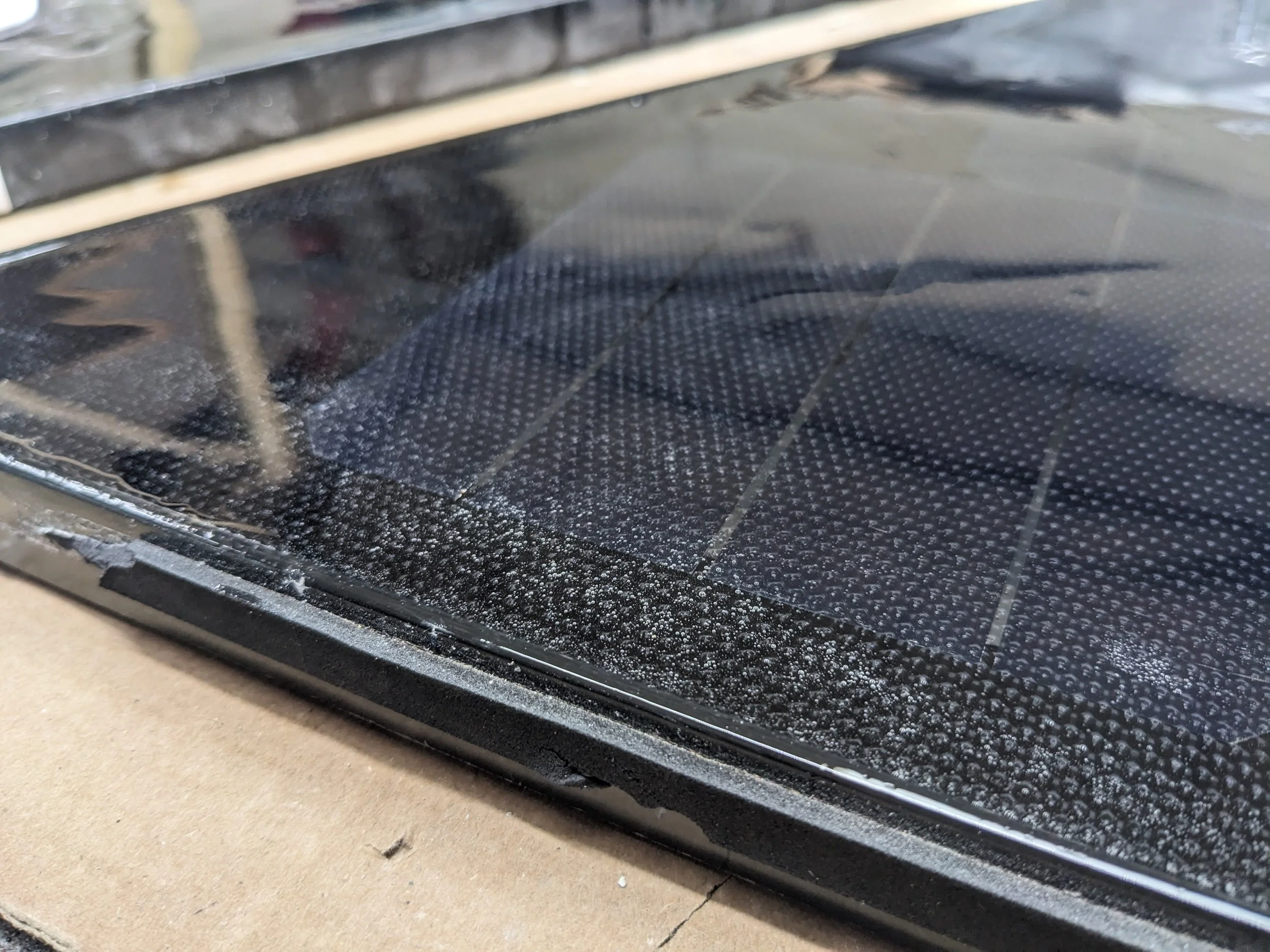
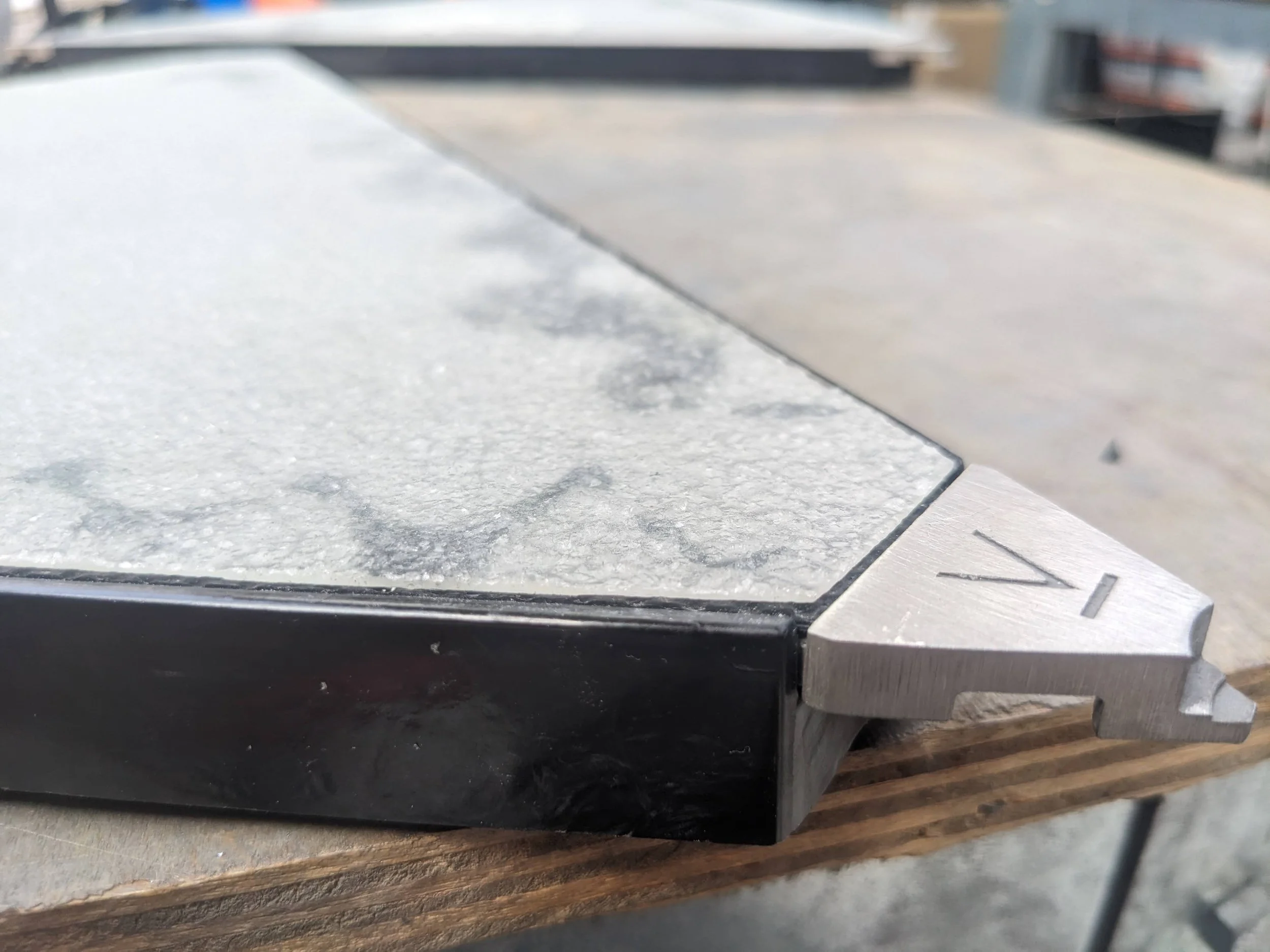
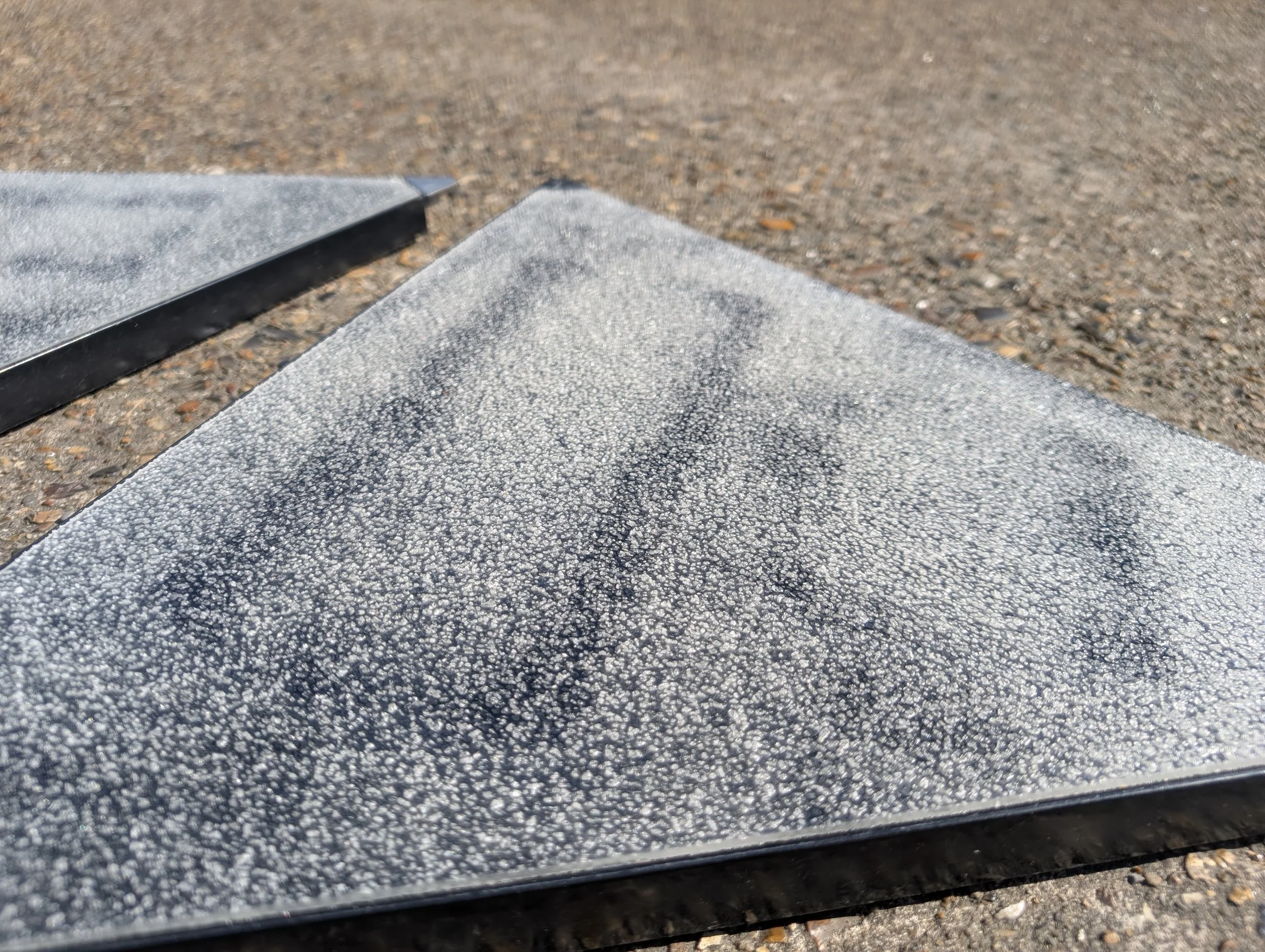
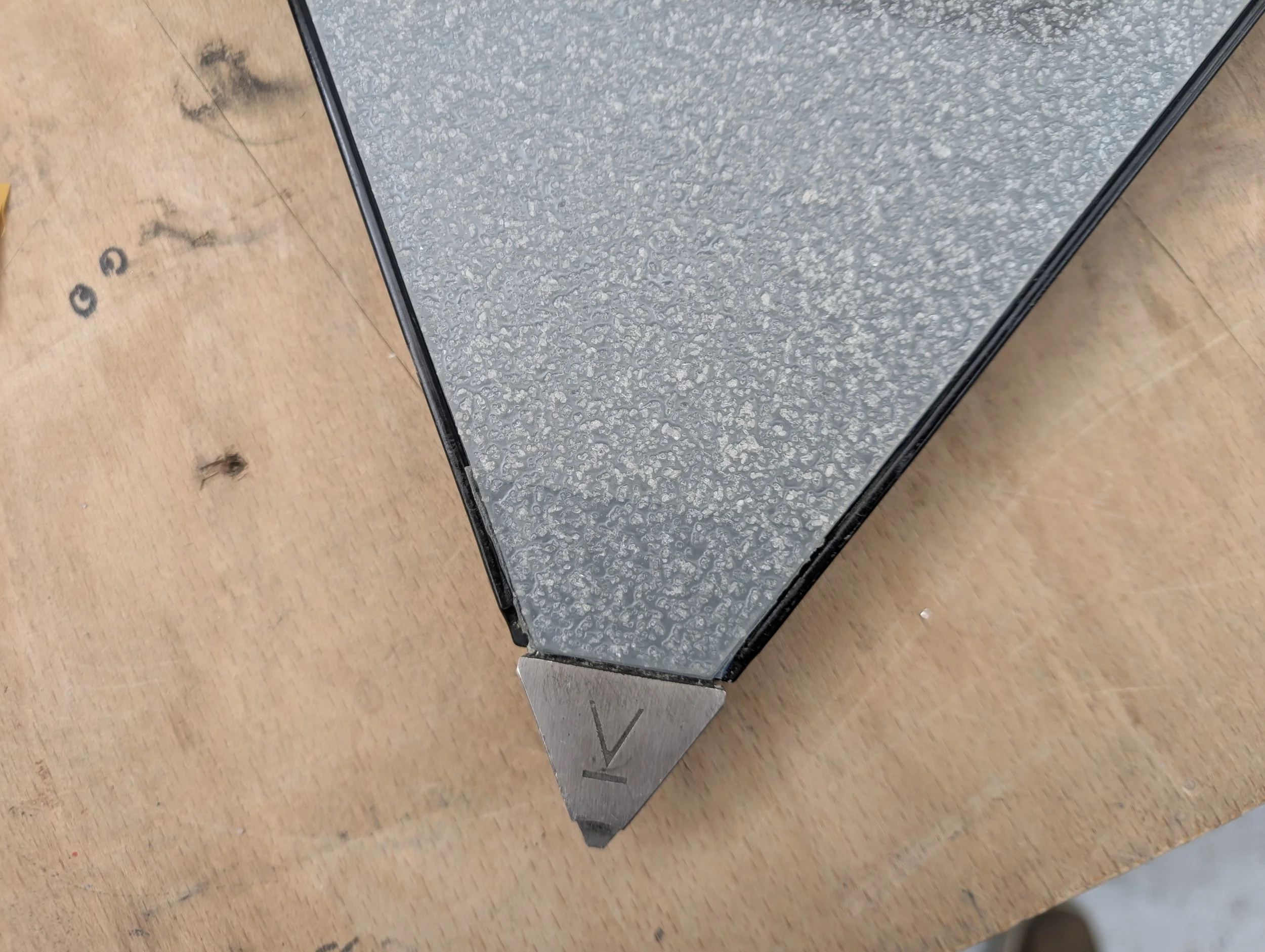
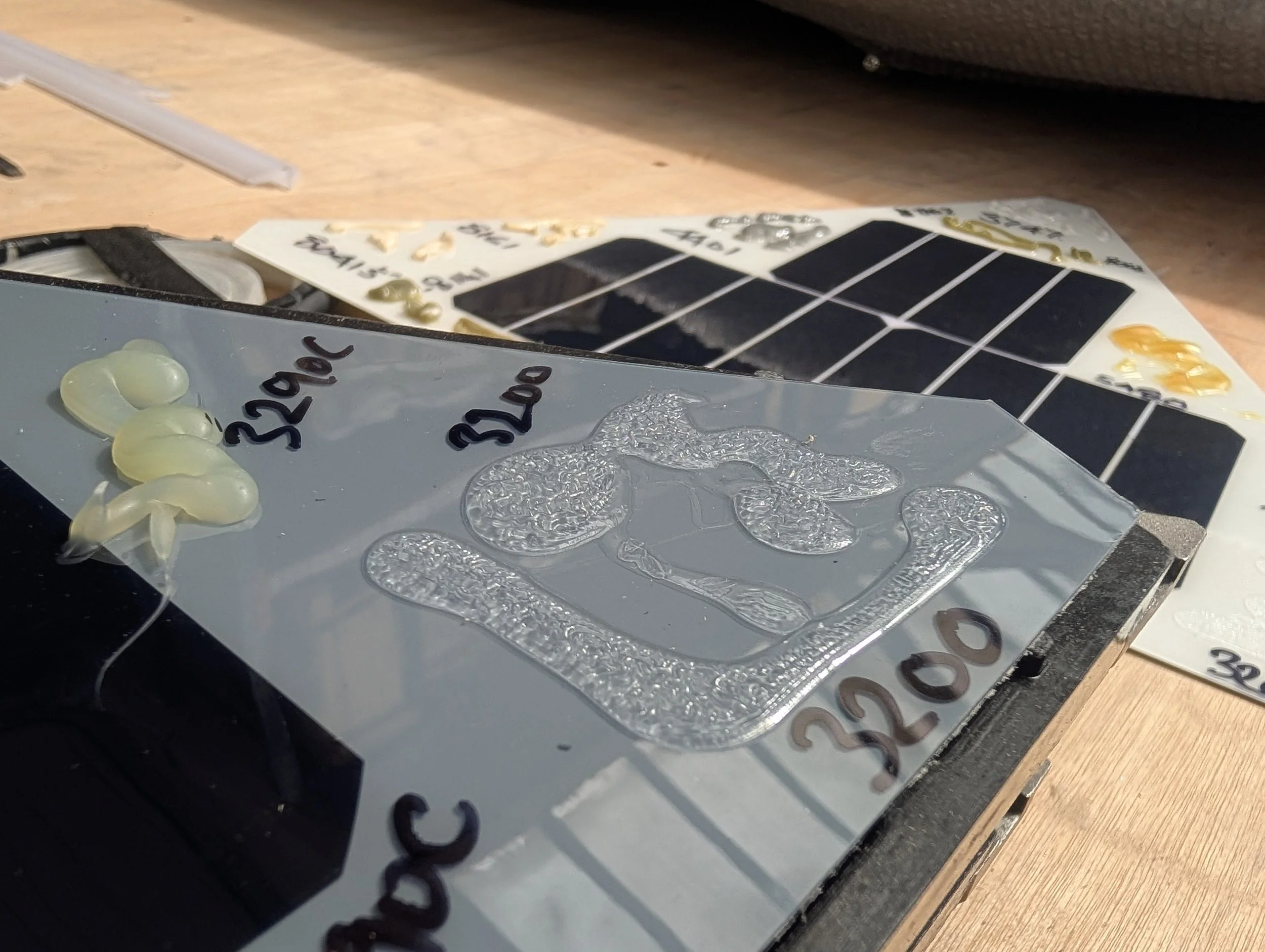
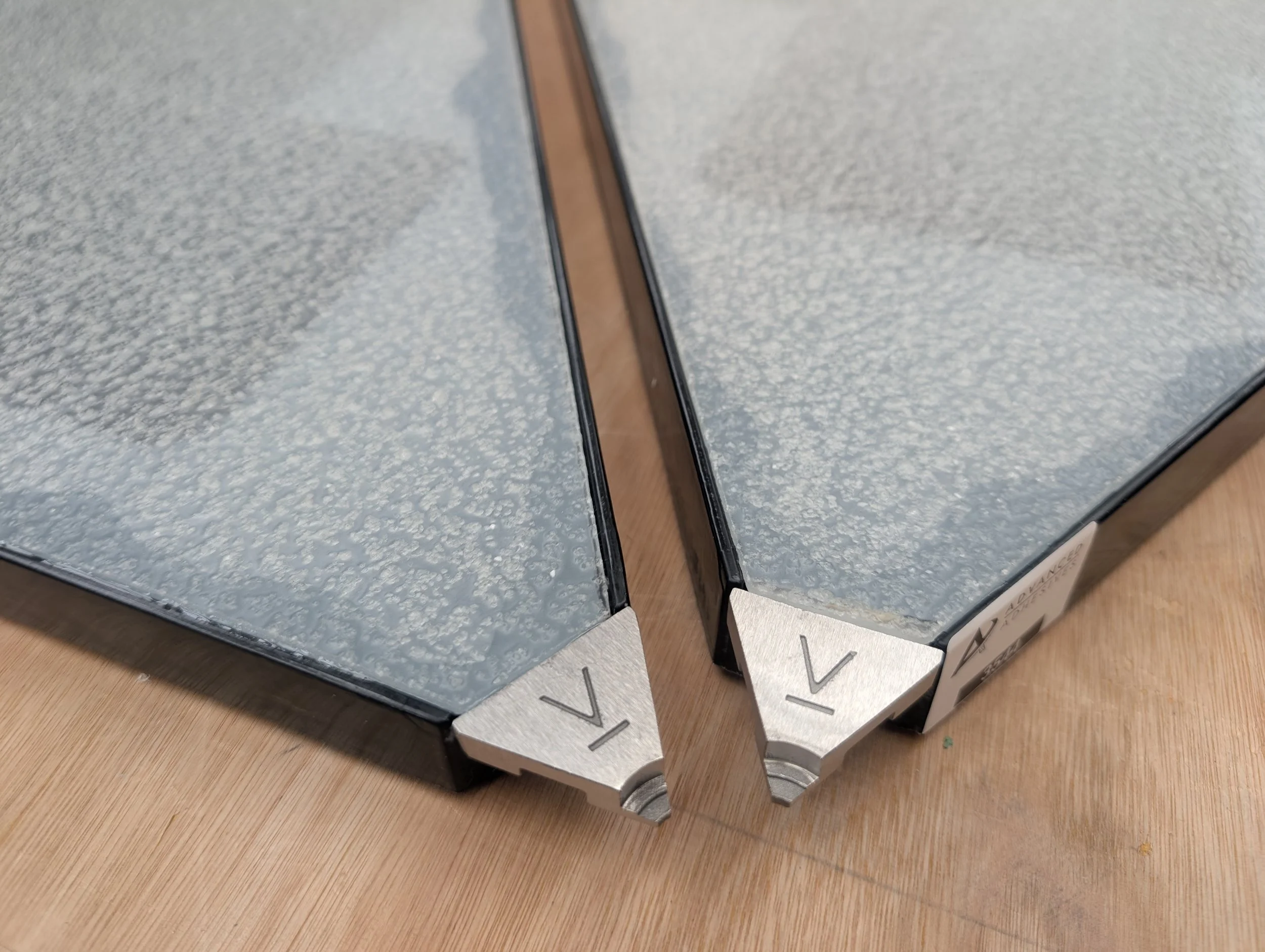
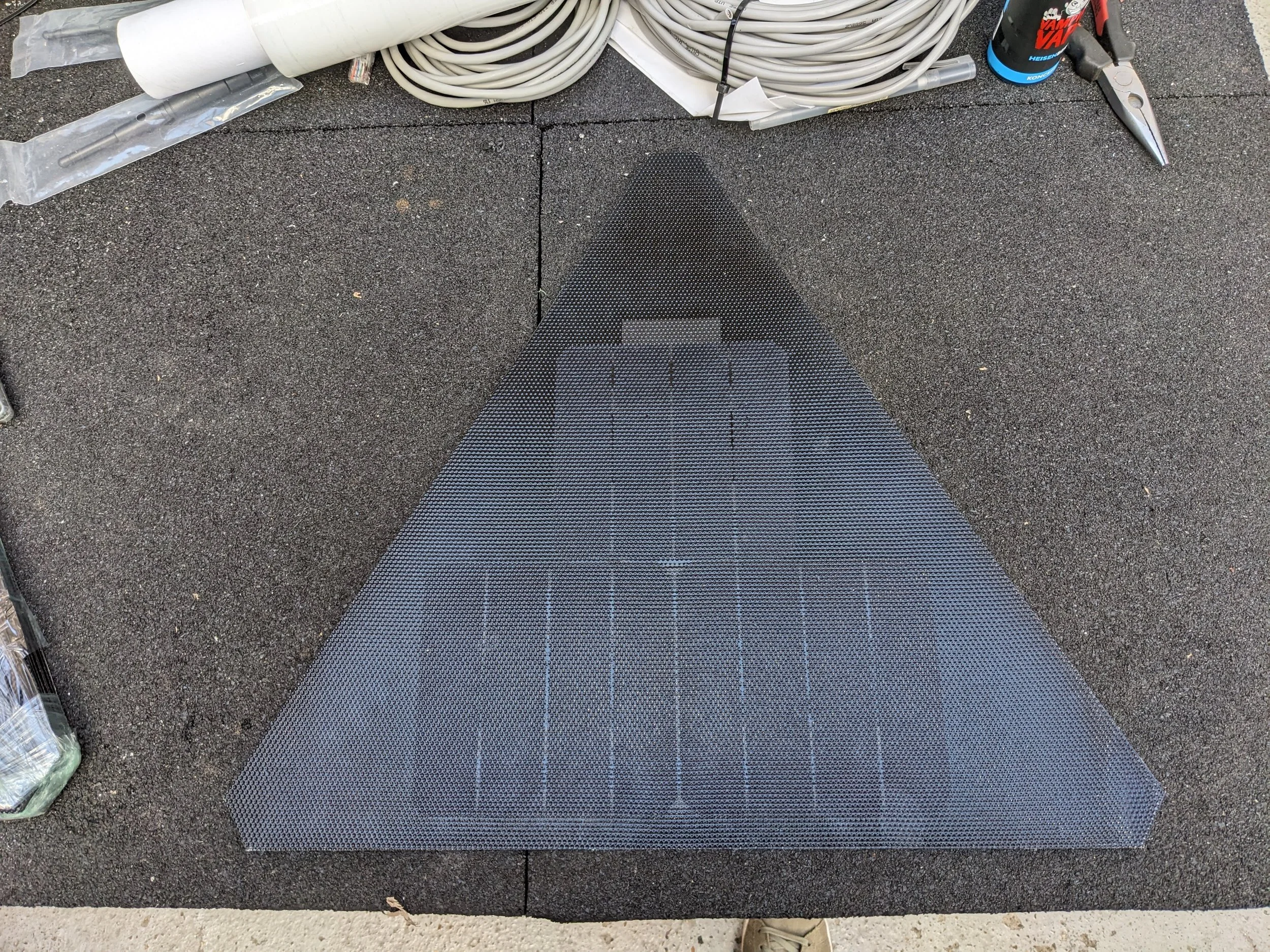
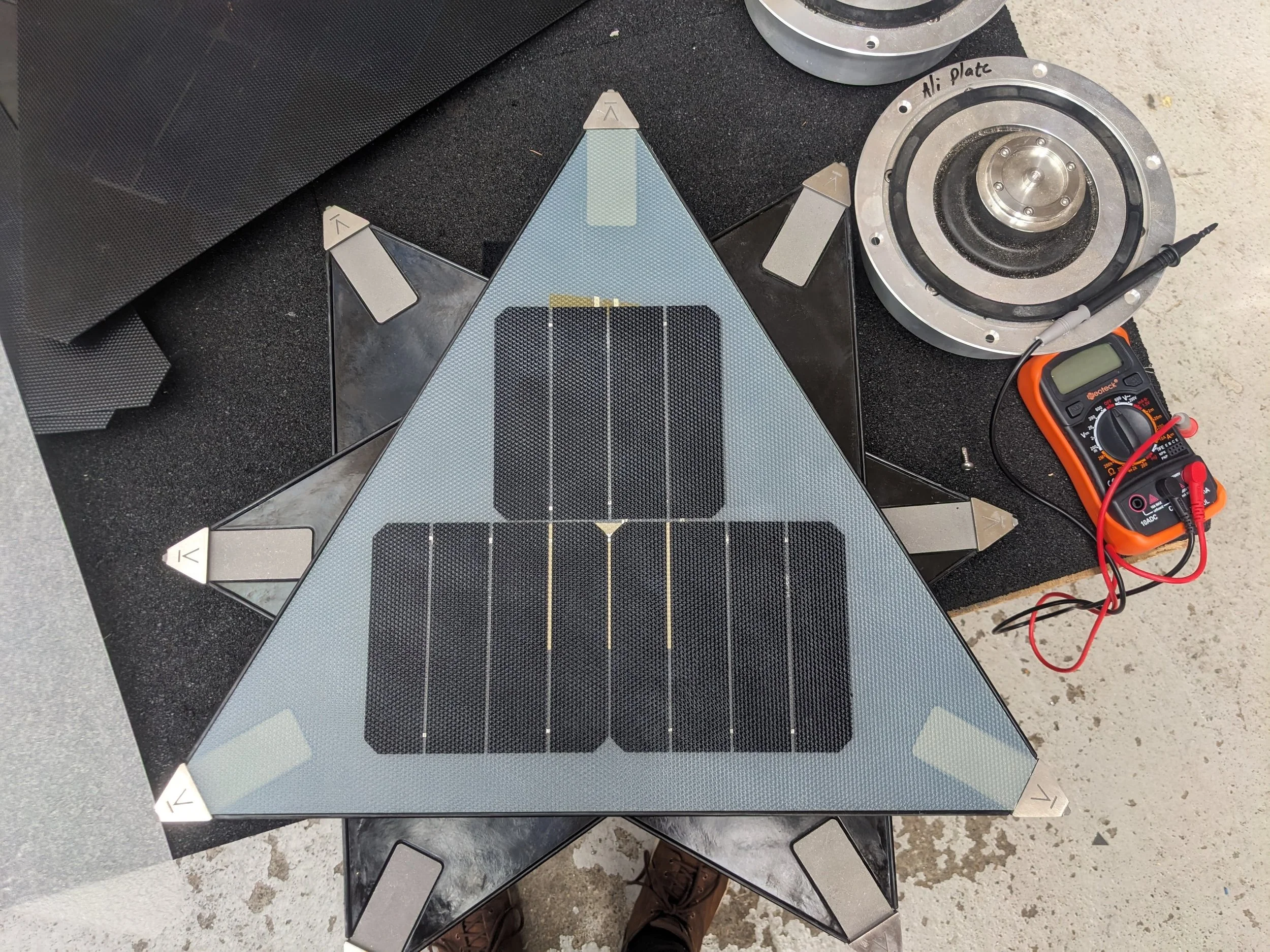
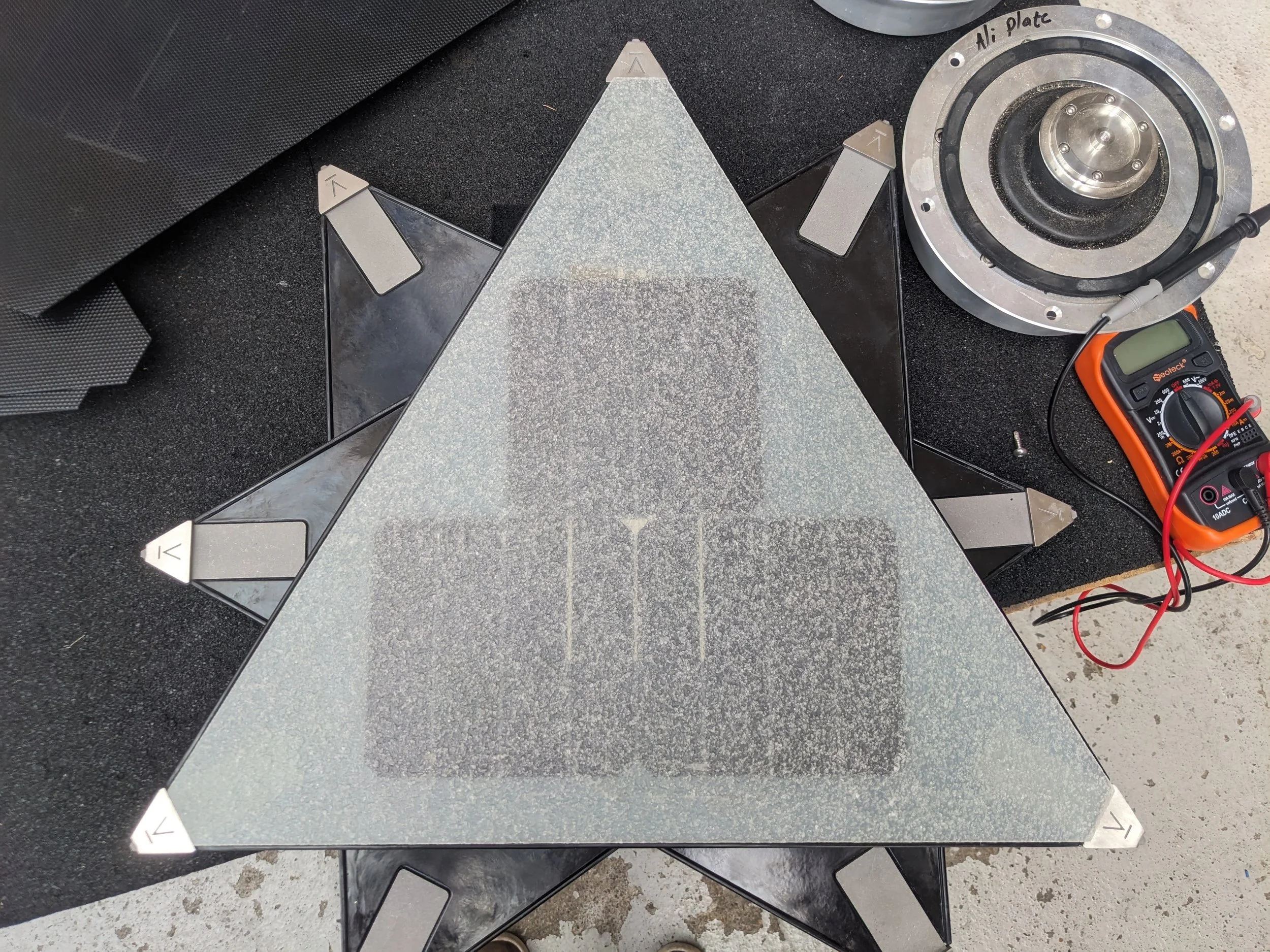
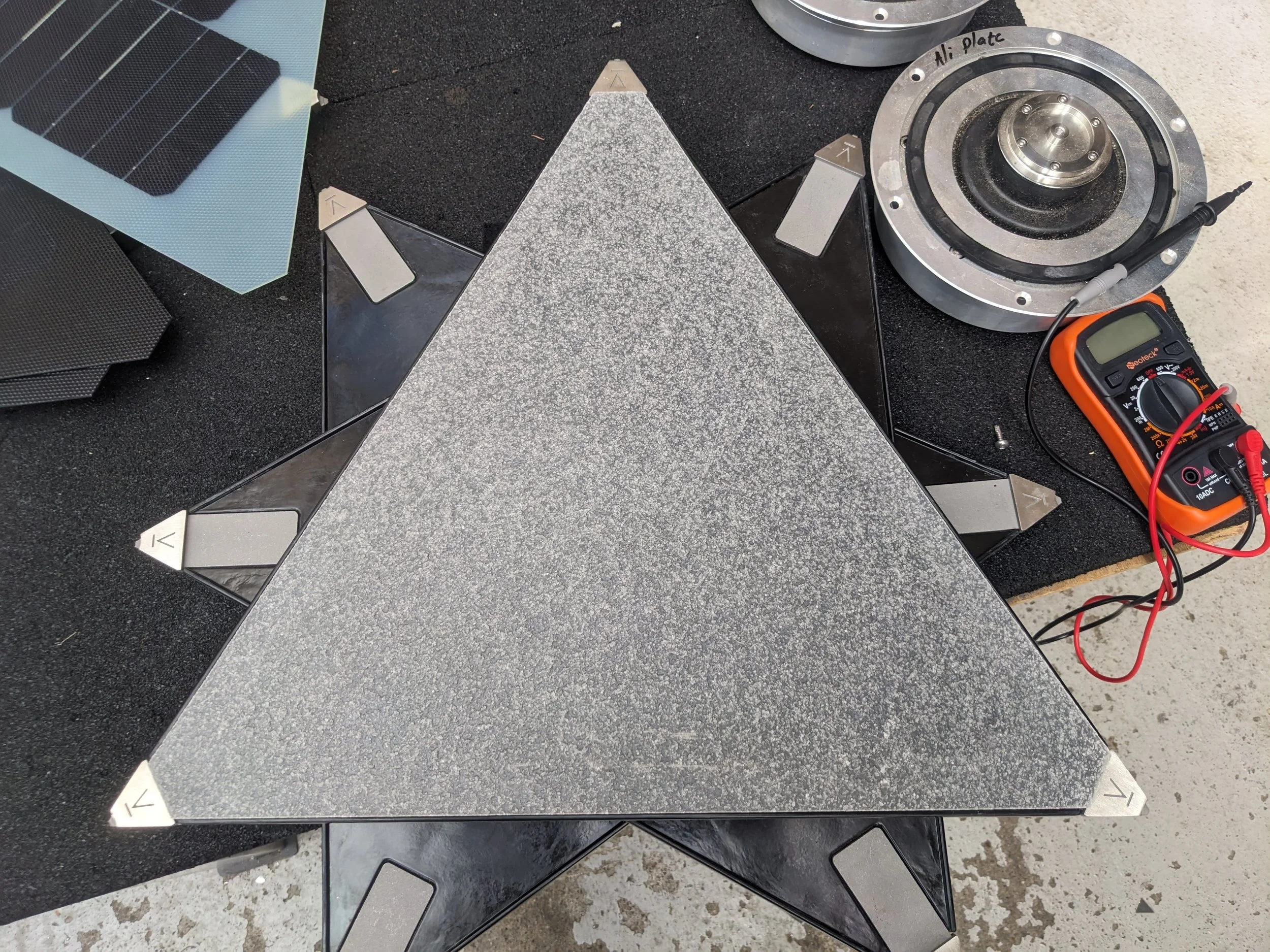
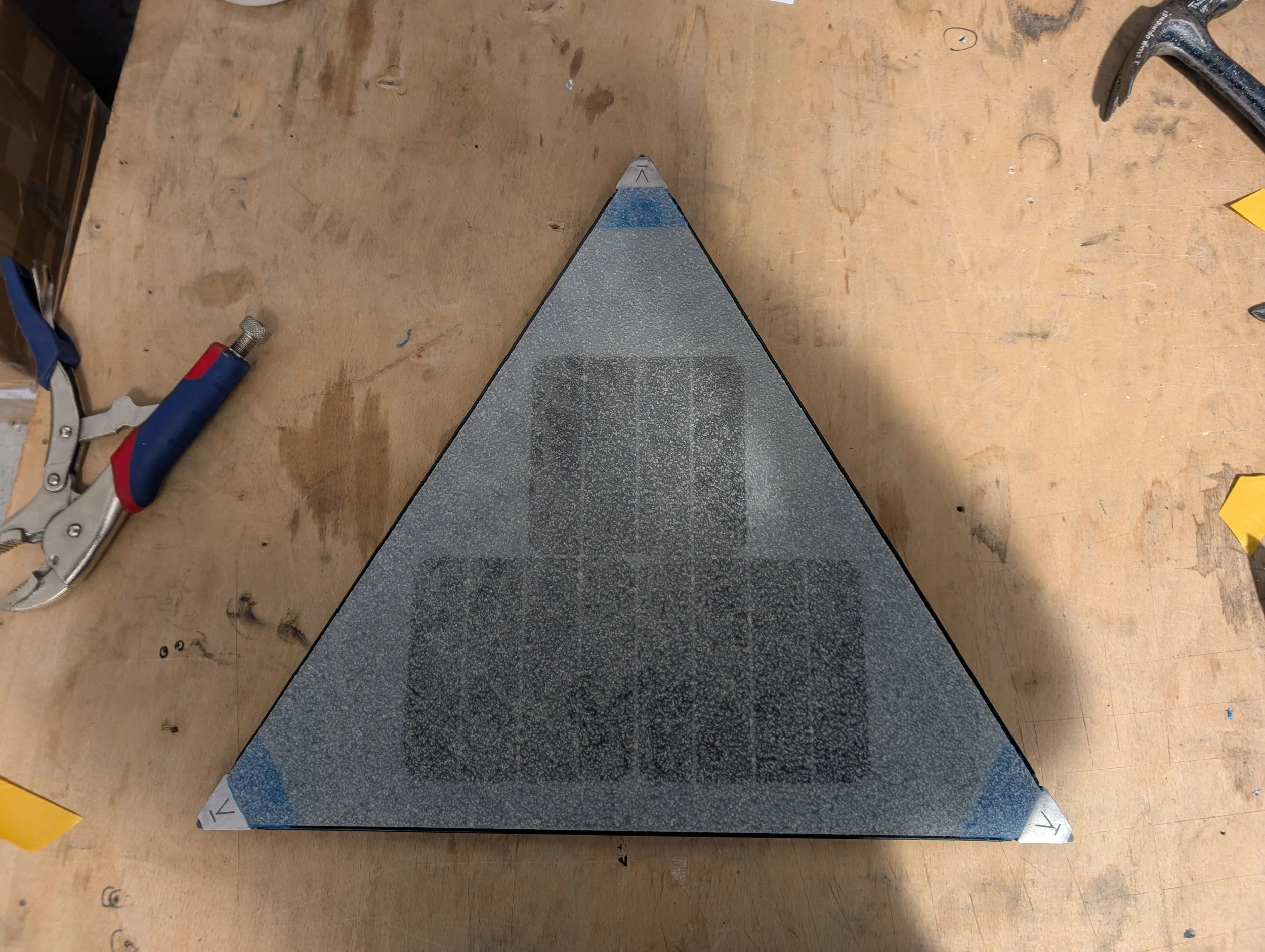
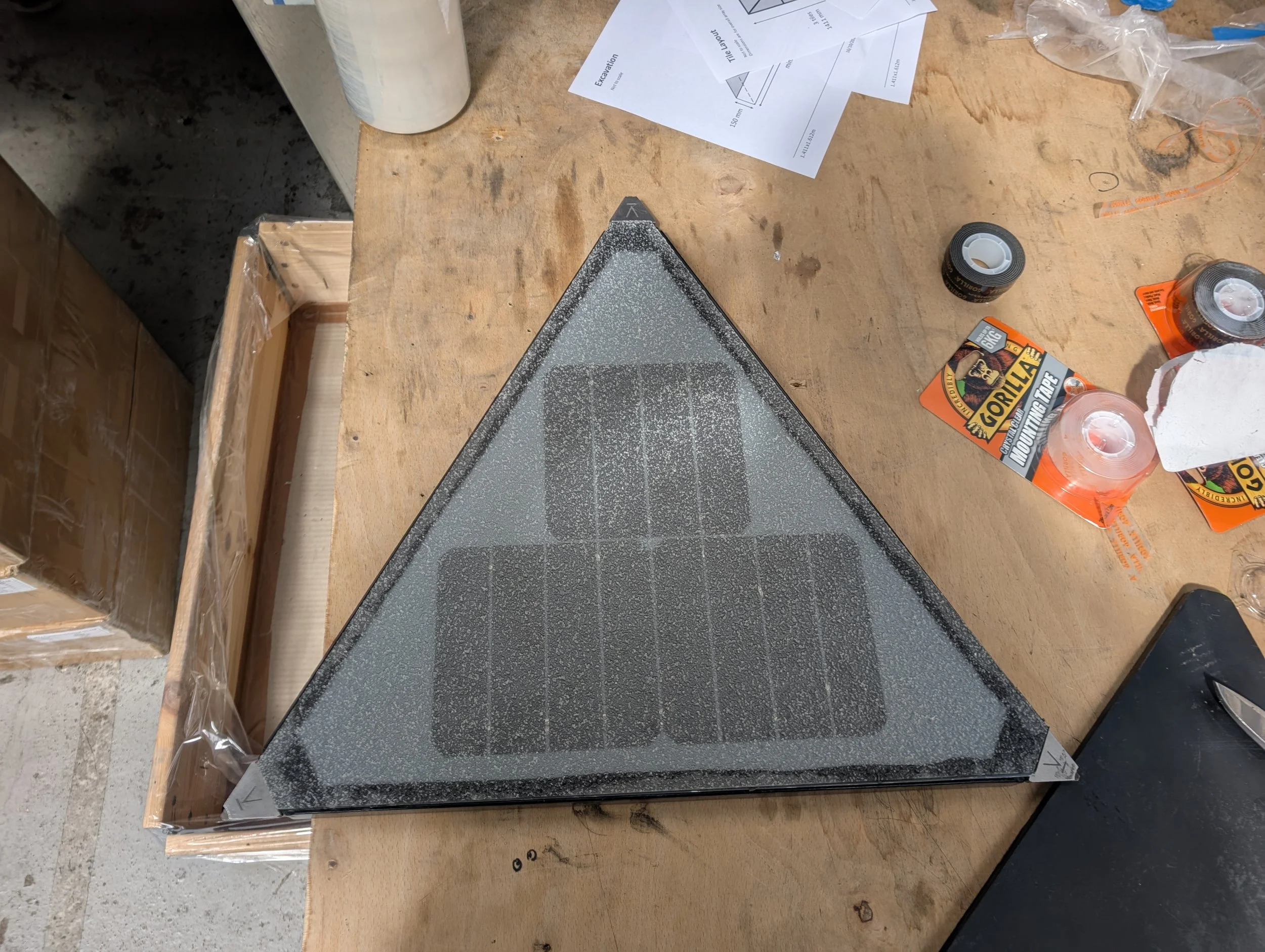
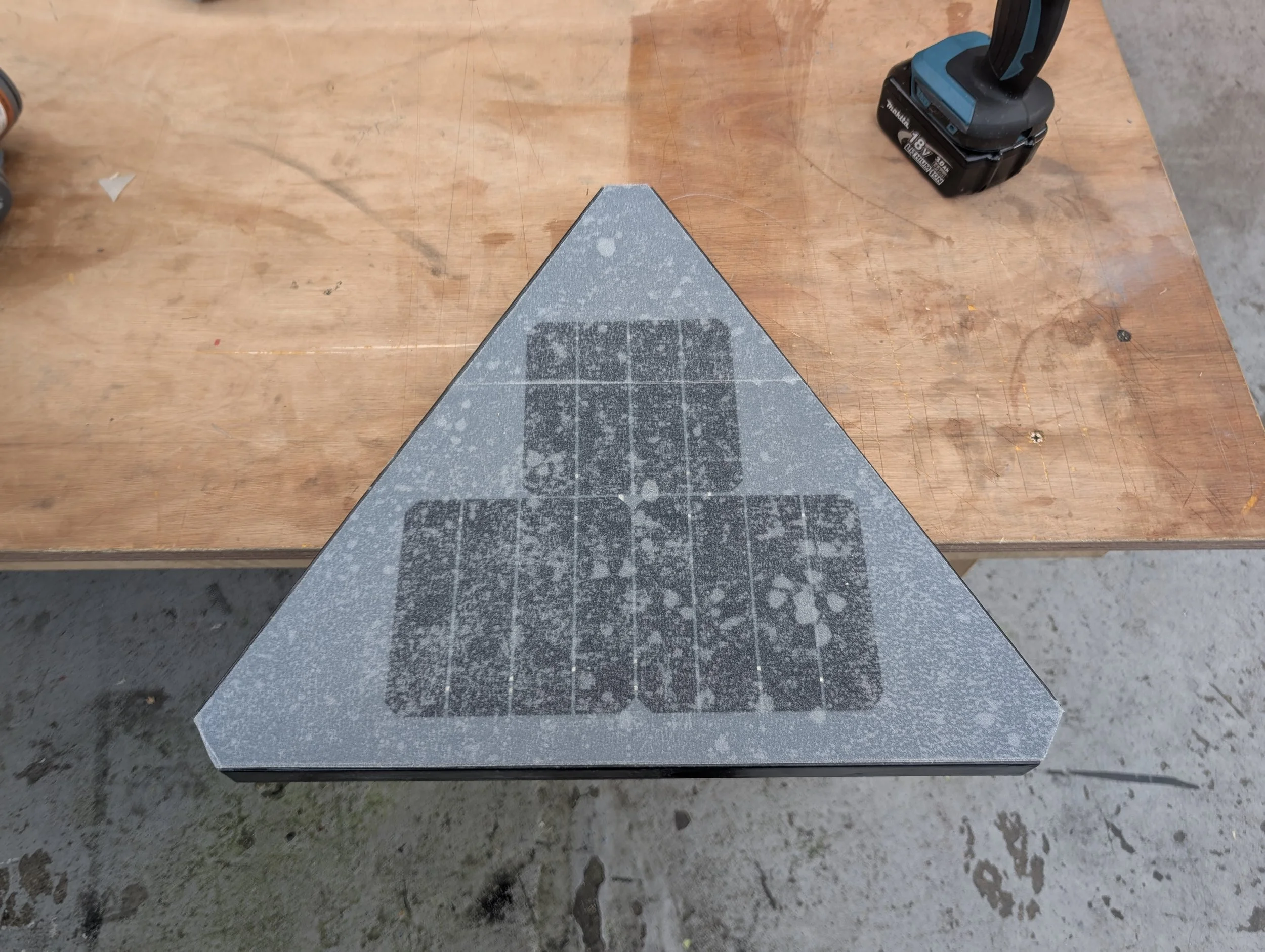
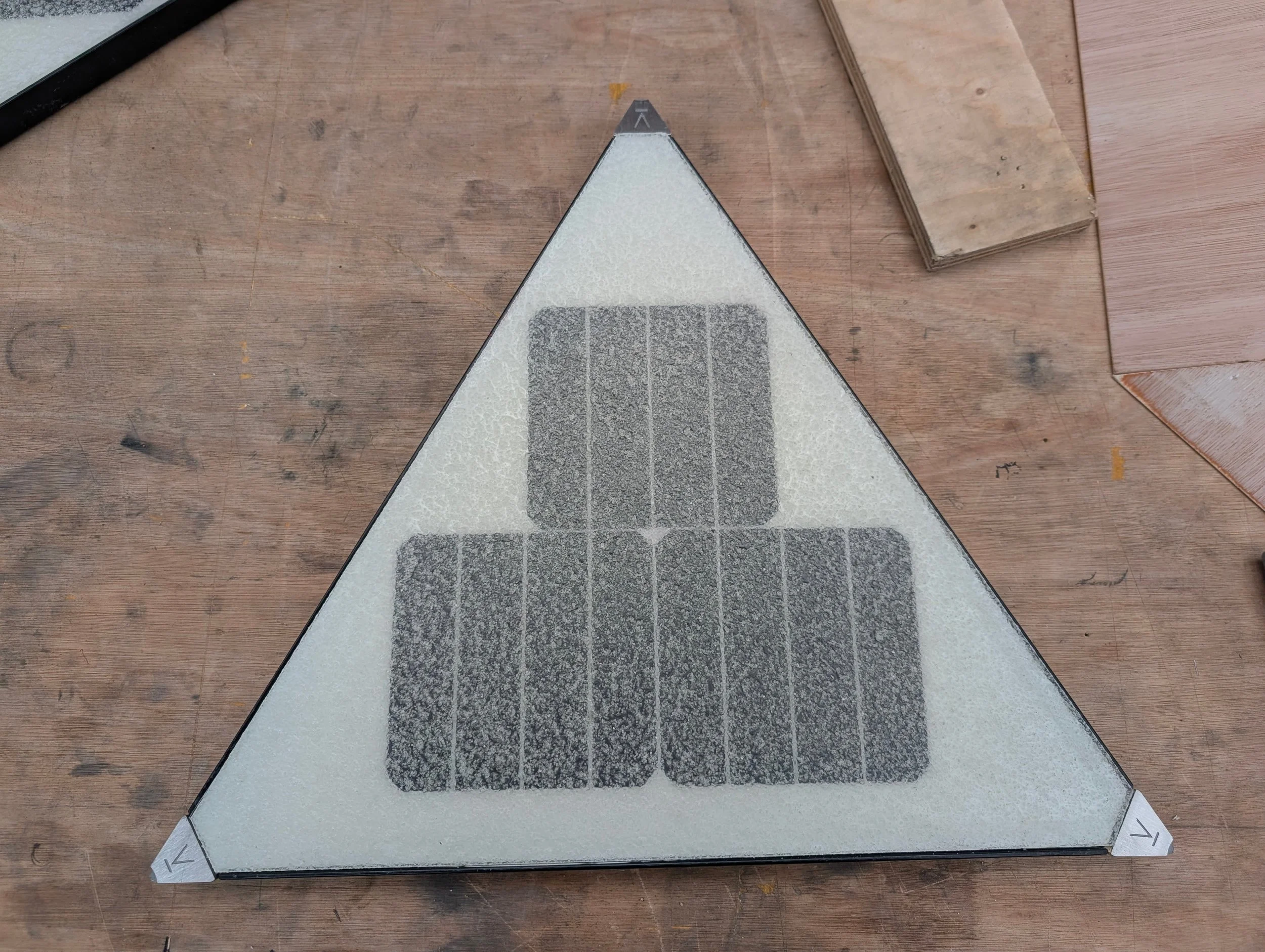
This project consisted of working with suppliers to find an ultra-thin solar panel that would fit into the existing tile (1.5 mm) and then to find an appropriate surface to protect it from people’s footsteps that was also ultra thin. Various options were tested, including resins and glasses, ultimately settling on a transparent GRP with an ultra durable adhesive.
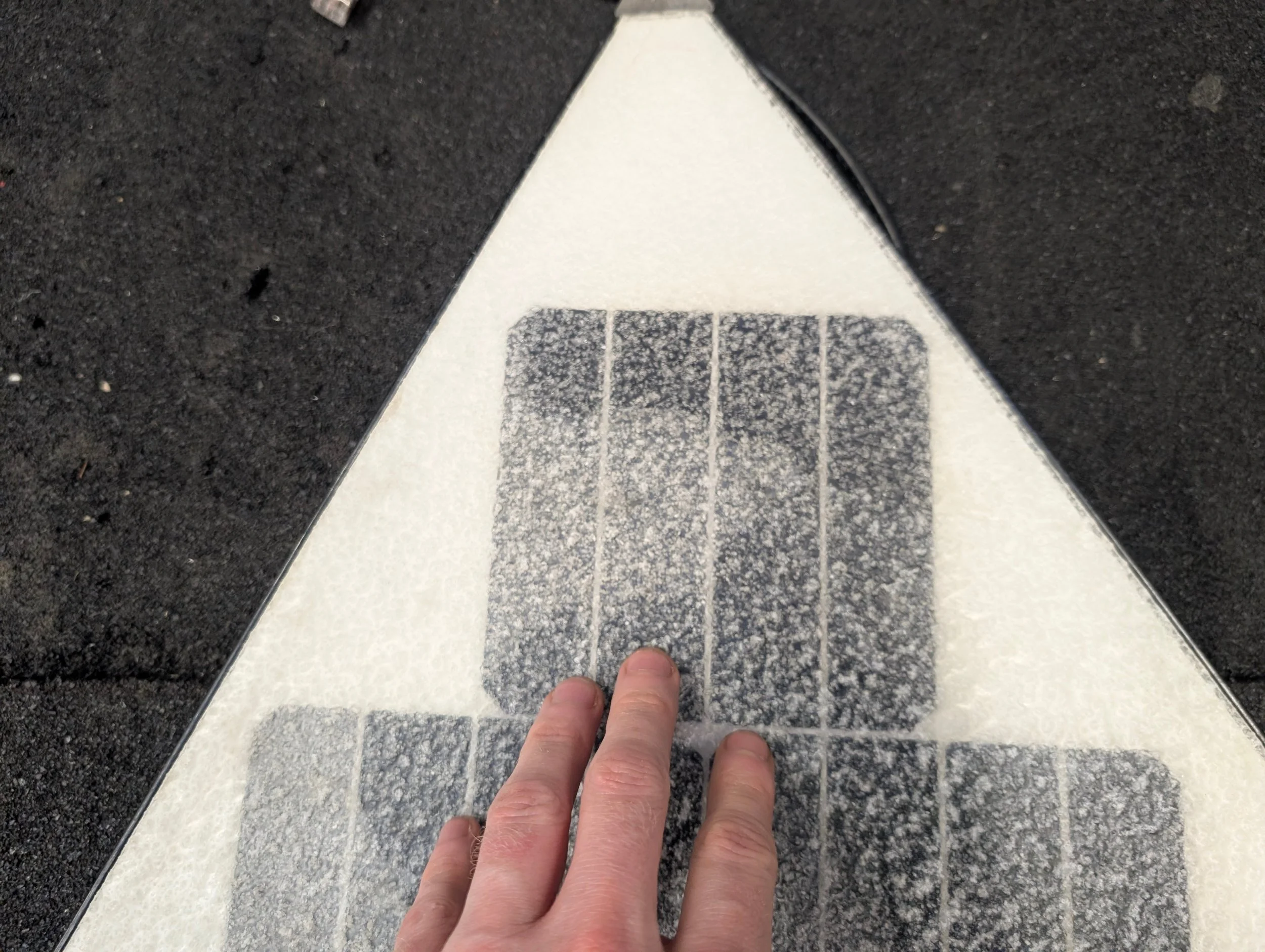
Colour
By working closely with the Chinese solar panel manufacturer, the the right colour and finish of the panels was achieved, balancing the contrast of the solar cells through the protective surface.
Electrical Integration
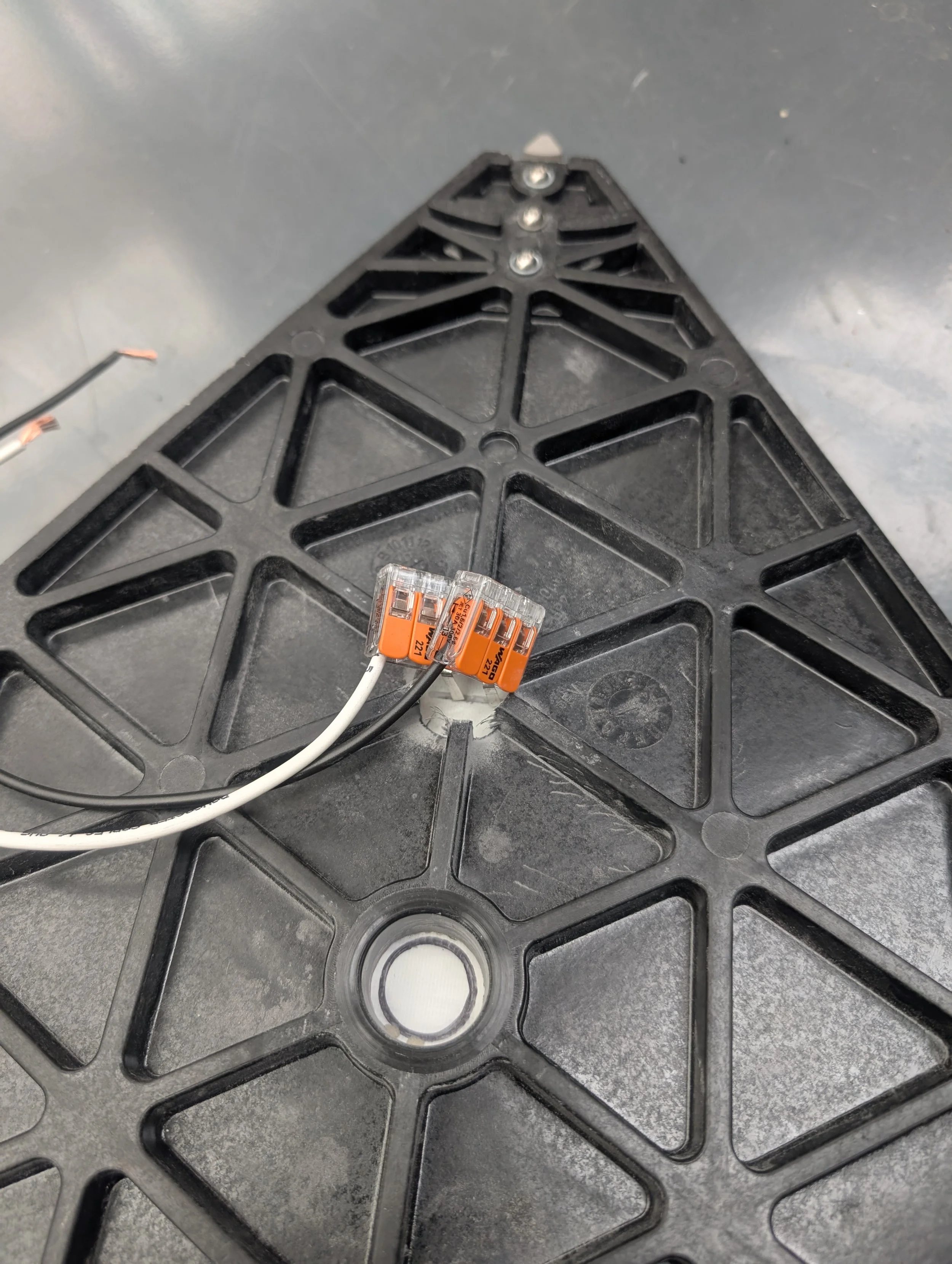
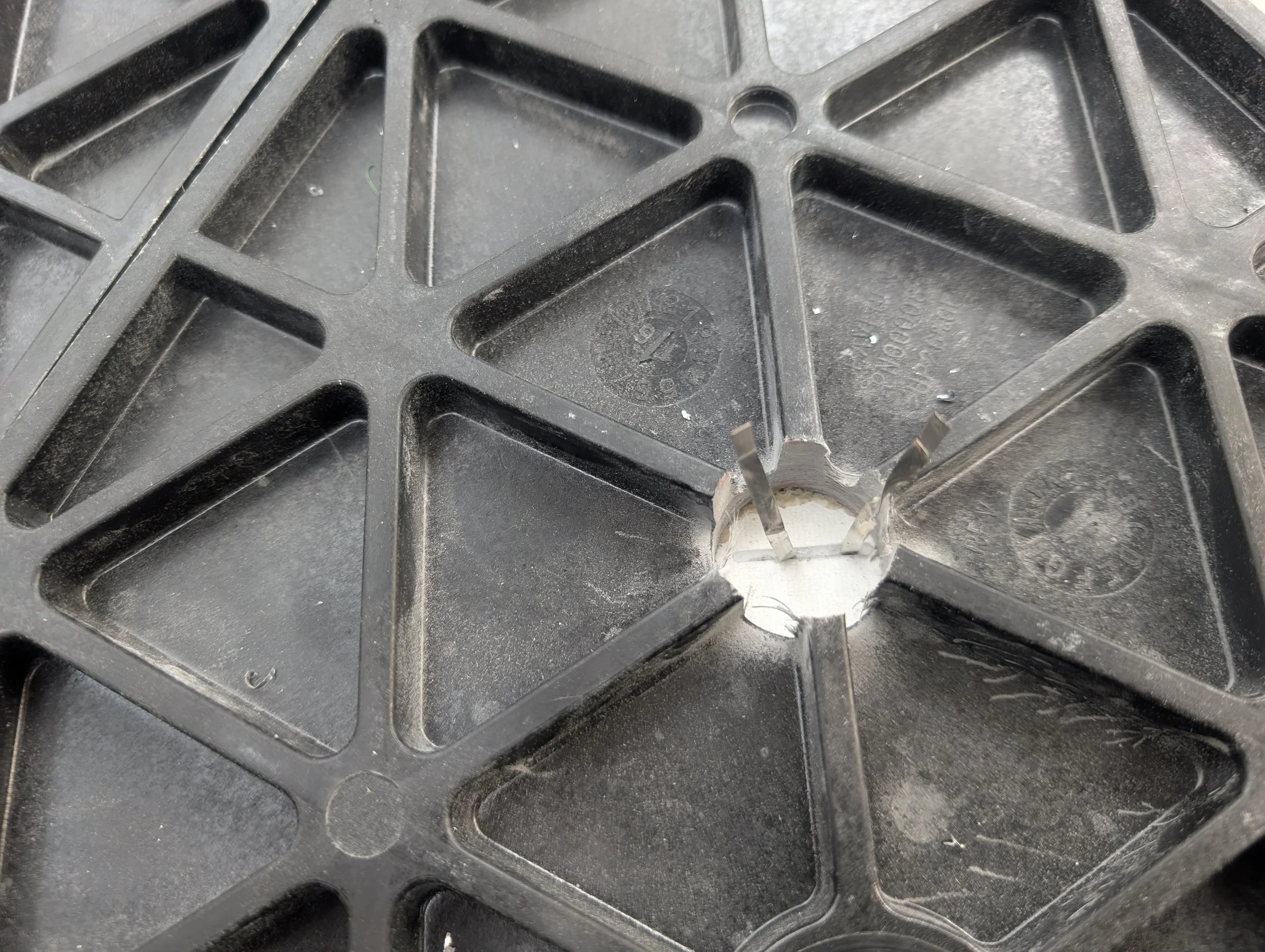
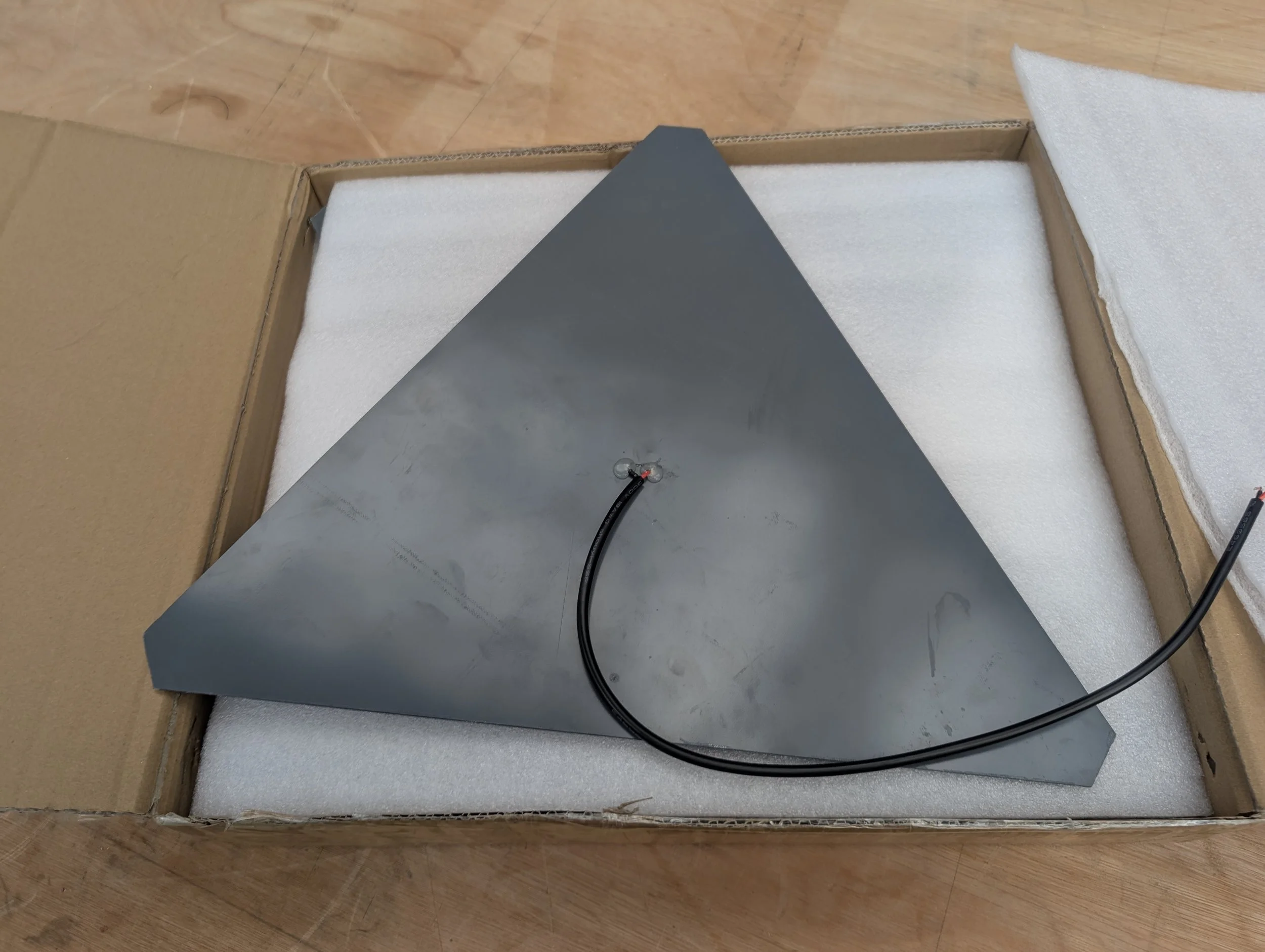
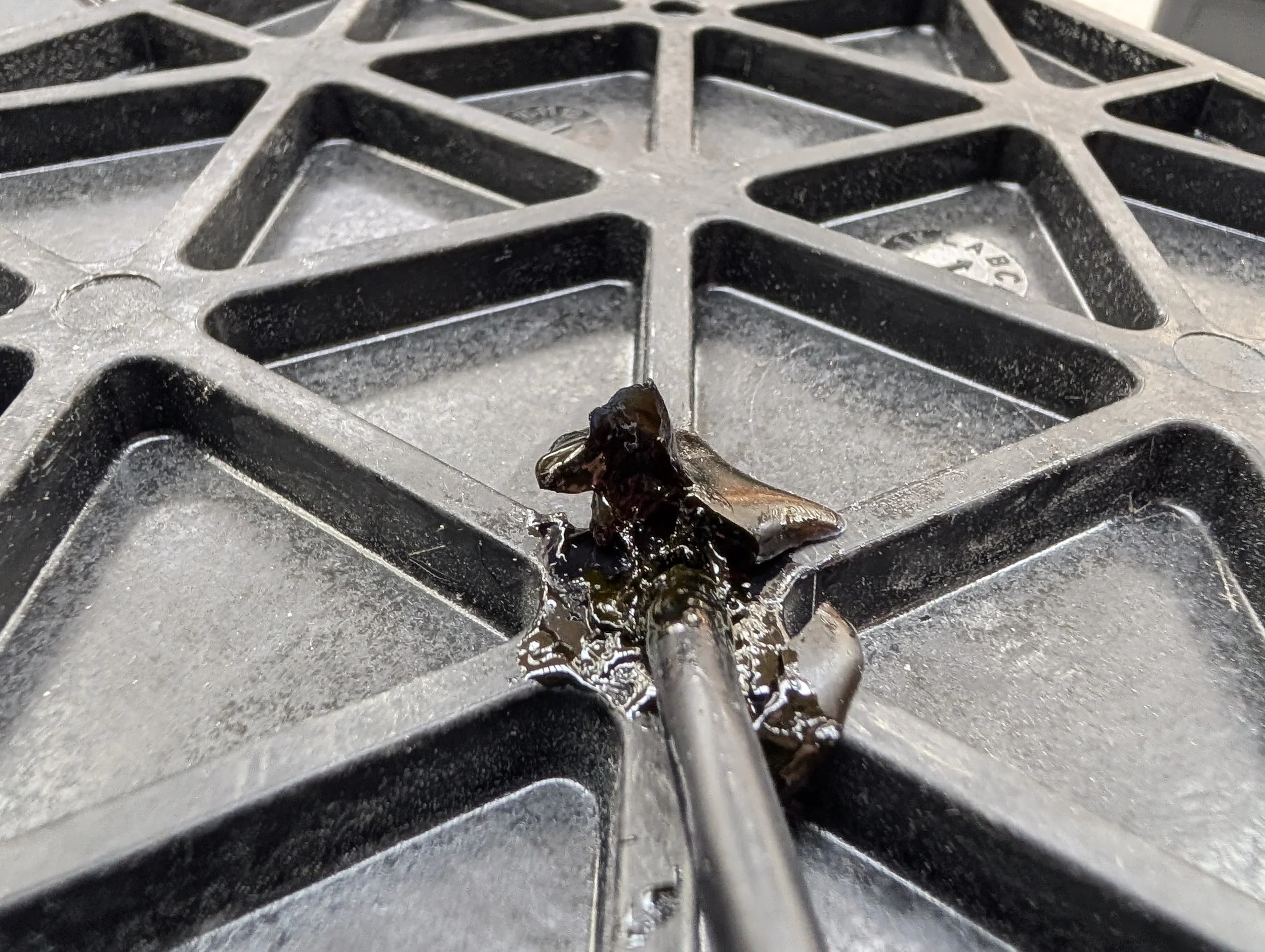
By working closely with the electrical engineers, ingress protection was able to be maintained whilst maximising ease of assembly, both in the factory and on site, and electrical output. Cable exits were potted, silicone drops were specified at ingress points, and cost-effective water proof junction boxes for the PCBs were procured.
Release
Since the solar panels were carefully designed to integrate into Pavegen’s existing tile, the installation method was very similar to what Pavegen’s installers were already familiar with. This reduced cost of installation, and ensured installation could still be performed quickly and consistently. The only addition was the relatively quick connection of the cables.